 888-450-3725
Custom boxes are an essential improvement in packaging solutions with bespoke designs designed to meet specific needs across diverse industries. These boxes focus on functionality aesthetics, sustainability, and functionality aspects, allowing companies to improve their appearance, protection, and branding.
Key Features of Custom Boxes
Material Flexibility: Custom-made boxes are made from different materials, including cardboard, corrugated fibreboard, plastic and biodegradable materials such as cellulose. The material choice is dependent on the purpose of use:
-
- Cardboard It is lightweight and recyclable, it is suitable as general packaging for retailers.
- Corrugated fiberboard It is durable and able to withstand massive shipping loads, perfect for e-commerce and logistics.
- Cellulose-Based Composites They are ecologically eco-friendly, providing biodegradability, and renewability for brands that are eco-conscious 12.
The precision of HTML0 and the ability to customize Customization and Precision creation of custom-designed boxes rely on advanced computing systems to guarantee accurate dimensions and minimal loss of materials. For instance the automated design system can create box blueprints using three-dimensional models of the item that optimize folds and cuts to ensure efficient production while providing the best protection for 3.
brand Identity Integration Custom boxes are an extension of the brand's identity.
-
- Visual Attraction : Color schemes, logos, and graphics improve the user experience and promote brand recognition 5.
- aesthetic design Aesthetic Design: High-quality printing techniques as well as modern finishes (e.g. embossing, matte, gloss) are used in their design to help packaging stand apart in a sea of competing markets.
Green and sustainable packaging Sustainability is now the foundation of the design of custom packaging because of the increasing environmental issues. Green solutions focus on the recycling and biodegradable products, recyclable structures, and minimalist designs that have low environmental impact. For example, research suggests eco-archive corrugated containers and honeycomb paperboard as feasible alternatives to 678.
Applications Across Industries
Custom box are crucial in many marks the following:
Online retail: In the case of online retailers packaging, it often doubles as a tool for marketing. The aesthetic and personalization of designs can enhance the experience of unboxing and create a stronger bond between brands and consumers. Furthermore vent holes, as well as structural reinforcements help ensure the integrity of the package for fragile items during transport 910.
Food and Beverage: To store perishable items, custom-designed boxes are specifically designed to increase the flow of air (via ventilation holes) and ensure freshness. Materials like corrugated fibreboard coated with moisture-resistant coatings are frequently used to prolong shelf-life of products. Case studies also showcase the use of cellulose-based packaging for smart and active packaging, offering new ways to ensure food quality and decreasing waste of 11112.
Luxury Goods: Custom-designed packaging for high-end products typically comprises rigid boxes that have intricate compartments inside that are tailored to particular items. The boxes are not only to offer protection but also enhance the value of the product with elegant design and style 34.
Furniture and large items Modular designs that use strong yet lightweight materials guarantee security of transporting large or customized furniture pieces. The research in CAD-led customization led to improved the selection of materials and packaging designs to meet the requirements of sophisticated the logistics of assembly and transportation 613.
Technology Products: Innovative packaging strategies for electronics and delicate equipment depend on the precision of engineering and materials that are shock-resistant. For example, corrugated containers with foam inserts that are custom-made for each item or multi-layered designs provide additional cushioning for expensive goods 1415.
Advancements Driving the Industry
Computational Design Engines platforms that are capable of computingly optimizing the packaging geometry to to improve the efficiency of fabrication and cut costs. These systems are geared towards eco-friendly design by suggesting design options that are compatible with the reduction of waste 3.
AI Integration into Personalization Artificial intelligence can enable data-driven customisation by analyzing the preferences of consumers to create packaging that increases its appeal. This is especially useful in fast-changing markets such as the e-commerce 4.
Reverse Logistics and Recyclability: Increasing collaboration between industries and sustainability-focused initiatives has accelerated the adoption of reusable and recyclable packaging models. The research on reverse logistics systems offers that the future holds great potential for mass reuse of packaging for express use that directly contributes to circular economic models 615.
Innovative Materials: Continuous investigation of materials like bioplastics, nanocellulose and hybrid composites provide additional possibilities to combine the properties of lightweight, durability and environmental sustainability. Studies of low-energy production techniques for these materials are focused on cost-efficiency and the ability to scale 162.
The study of consumer behavior shows that designers are increasingly taking into account consumer preferences in terms of sustainable materials, attractive packaging, as well as utility in packaging design. Research on consumer behavior demonstrate that appealing and well-designed packaging can increase customer satisfaction and retention 417.
Challenges and Future Developments
Balance between Sustainability and Cost As demand for environmentally friendly solutions increases, the production costs for biodegradable advanced materials remain an issue. Growing these technologies without compromising cost-efficiency is vital to make them widely available.
Regulation Compliance : New regulations on packaging environmental and waste standards force manufacturers to choose standards-compliant designs and materials that carry additional financial and technical financial costs.
The integration of smart Features : Integrating IoT devices or RFID in packaging to track goods and give real-time information on the condition of the package is a growing technology frontier in high-tech industries like electronics and pharmaceuticals. electronics 3.
catering to niche applications Industries such as healthcare or agriculture might require specialization in which case packaging solutions have to be in line with specific environmental requirements or guidelines for regulatory compliance.
Conclusion
Custom-designed boxes are changing industries by meeting the demands of sustainability along with innovation, as well as a more enjoyable user experience. By incorporating eco-friendly materials advances in computing and user-focused designs The future of custom-designed packaging promises not just a reduction in environmental impact, but also increased value to both consumers and businesses alike. Through continuous research into the performance of structural components as well as material science in addition to reverse logistics custom-made boxes are set to revolutionize packaging concepts globally.
Explore More
Ready to put this into action? Explore our Custom Cosmetic Boxes collection — including Custom Lipstick Boxes and Custom Lotion Bottle Label — all printed factory-direct with free design and fast turnaround. For background reading, see packaging and labeling on Wikipedia.
Ready to order your custom boxes?
Free design, low minimums, fast turnaround — at wholesale prices.
Get a Free QuoteRelated Posts
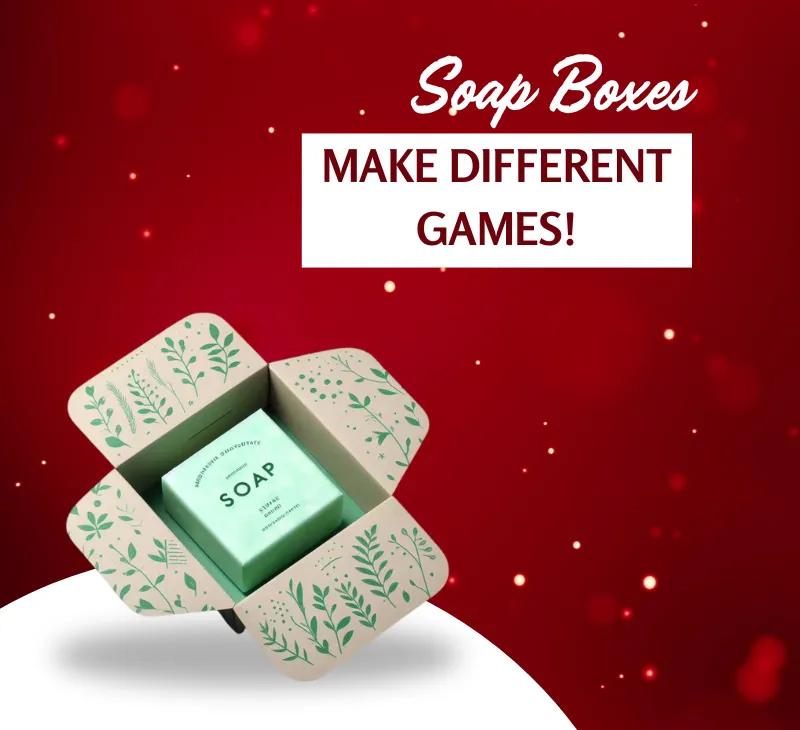
Creative Ways to Reuse Soap Boxes at Home

The Secret of Perfume Boxes Finally Revealed
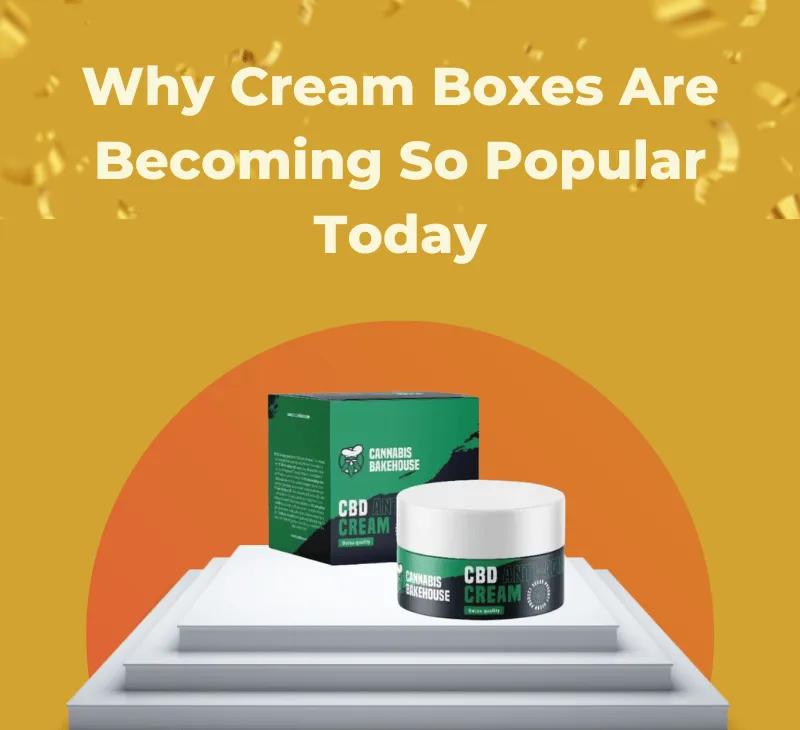
Why Cream Boxes Are Becoming So Popular Today
Frequently Asked Questions
What are the key features of custom boxes?
The key features are material flexibility (cardboard, corrugated, kraft, rigid, or biodegradable stock), precise made-to-size customization, full brand integration with your logo and colors, strong product protection, and eco-friendly options — all combined to fit your specific product and industry.
Which materials are used for custom boxes?
Common choices are lightweight recyclable cardboard for retail boxes, durable corrugated fiberboard for shipping and e-commerce, premium rigid stock for luxury packaging, natural kraft, and biodegradable/cellulose-based materials for eco-conscious brands. The right material depends on your product's weight, use, and journey.
How do custom boxes protect products during shipping?
They're engineered around your product — the right flute, wall thickness, and dimensions reduce movement, while custom inserts cradle fragile items. Corrugated stock absorbs impact for the shipping journey, lowering damage and return rates.
How do custom boxes strengthen brand identity?
Every box is a branding surface: your logo, brand colors, and artwork are printed in high quality, and premium finishes like foil stamping, embossing, soft-touch, and spot UV create a memorable unboxing that builds recognition and repeat purchases.
Can I choose the exact size, style, and finish?
Yes. Custom boxes are made to your exact dimensions and style — tuck-end, mailer, rigid, sleeve, or window — with a free dieline and proof. You pick the stock and finishes, and we manufacture factory-direct at wholesale prices.
Are custom boxes eco-friendly?
They can be. We offer recyclable and biodegradable kraft and cardboard, plus cellulose-based composites, so you can package sustainably while keeping a premium look.