888-450-3725
In this article
A bakery box holds food, so safety is not optional. The board has to be food-safe and able to handle grease and moisture. Get this wrong and you get stained boxes and unhappy buyers. At Discount Box Printing, we make custom bakery boxes in food-safe stock, factory-direct across the United States. This guide walks through how it works. For the full picture, see our custom bakery boxes guide.
What are food-safe, grease-resistant bakery boxes?
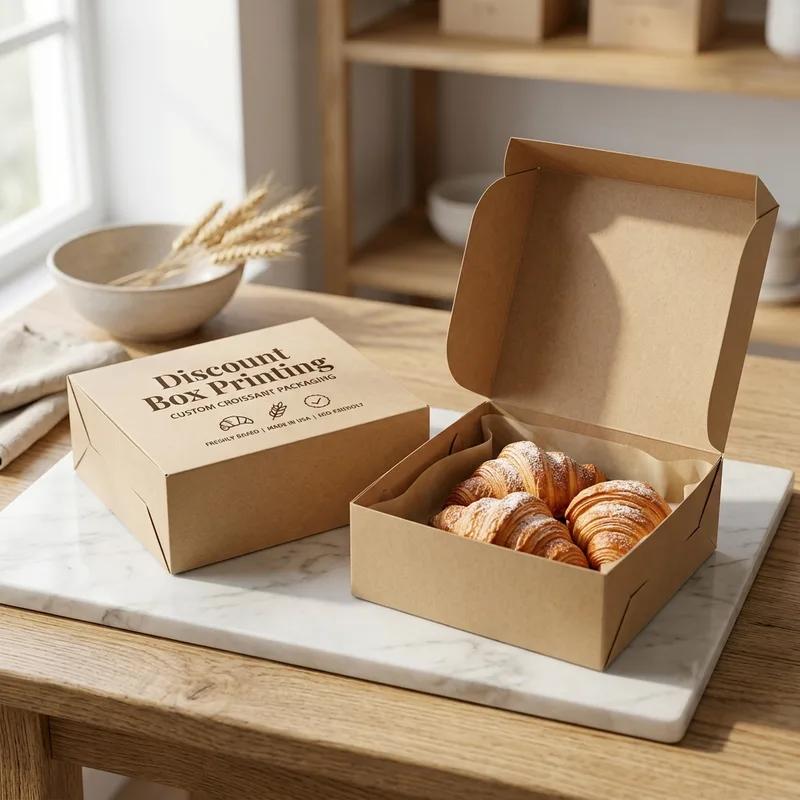
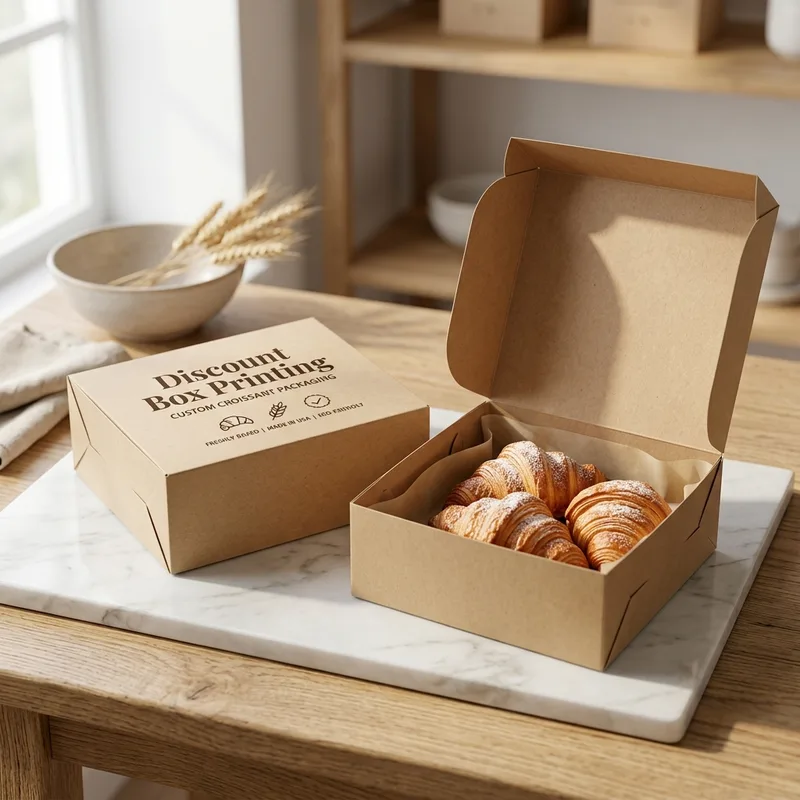
Food-safe grease-resistant bakery boxes use FDA-safe food-grade SBS or kraft board with a grease-proof coating or PE laminate, so oil, butter, and moisture stay in the box, not on the buyer’s hands. At Discount Box Printing we make them factory-direct from $0.10 per unit — free design, low MOQs, and free US shipping. Beat any bakery-box quote.
- Best for: pastries, donuts, croissants, buttery cookies, fried treats
- Material: FDA food-grade SBS or kraft board (14pt–24pt)
- Coating: grease-proof, PE laminate, or wax-free plant-based barrier
- Certification: FDA-safe, food-contact safe
- Styles: tuck-top, auto-lock, window box, insert tray
- Turnaround: 10–12 business days (rush 6–8 available)
- Price from: $0.10 per unit wholesale · free US shipping
- Made in: USA, factory-direct — ships nationwide
What Food-Safe Means
Food-safe means the board, coatings, and inks are rated to touch food. They will not pass anything harmful into the treat. For a bakery, every box that touches a bake should meet this standard. It protects your customers and your brand.
Why Grease Resistance Matters
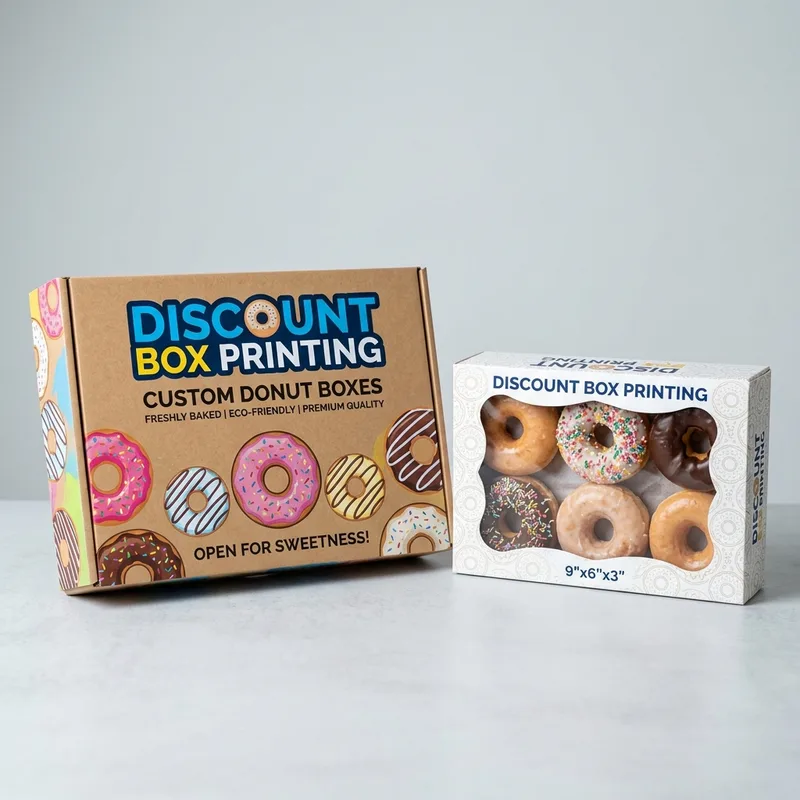
Buttery and oily treats release grease. On plain board, that grease soaks through and leaves dark, ugly marks. A grease-resistant board or liner stops it. The box stays clean and the treat looks fresh, even hours after it is packed.
How Grease Resistance Works
Grease resistance comes from a coating or a liner on the board. A food-safe coating blocks oil from soaking in. A greaseproof liner does the same for very oily bakes. Both keep the box clean without changing how it looks on the outside.
Handling Moisture and Warmth
Bakery treats are often warm and moist when packed. That moisture can soften a plain box. A coated, food-safe board copes better and holds its shape. For warm bakes, a little venting also helps stop the box from going soggy.
Match the Box to the Treat
A dry cookie needs less protection than a buttery pastry. A rich donut needs strong grease resistance. A wedding cake needs a sturdy, food-safe board. Match the level of protection to the treat so you do not overpay or under-protect.
Keep It Green and Safe
Food-safe and eco can go together. Recyclable board with a food-safe, water-based coating ticks both boxes. Many bakery buyers want natural, recyclable packaging that is still safe for food. We help you find a stock that is both. See our eco-friendly boxes.
Storage, Freezing, and Reheating
Think about what happens to the treat after it is bought. Some bakes are stored in a fridge, frozen, or reheated, and the box may need to cope. A food-safe board handles the fridge well. For freezing, a coated board resists the moisture that softens plain stock. If a box might go in a microwave or oven, it must be rated for that, since many are not. Tell us how customers keep and serve your treats, and we will match a food-safe stock that holds up, so the box works from the counter to the kitchen.
Frequently Asked Questions
What makes a bakery box food-safe?
A food-safe bakery box uses board, coatings, and inks that are rated to touch food and will not pass anything harmful into the treat. Every box that touches a bake should meet this standard, which protects both your customers and your brand.
How do grease-resistant bakery boxes work?
Grease resistance comes from a food-safe coating or a greaseproof liner on the board. It blocks oil from soaking through and leaving dark marks. Both methods keep the box clean and the treat looking fresh without changing how the box looks outside.
Which treats need grease-resistant boxes?
Buttery and oily treats like donuts, pastries, and rich bakes need grease resistance, because their oil soaks through plain board and stains it. Drier treats like plain cookies need less. Match the level of protection to how greasy the treat is.
Do warm bakery treats need special boxes?
Warm, moist treats can soften a plain box, so a coated, food-safe board that holds its shape is better. A little venting also helps stop the box going soggy from steam. Match the board to how warm and moist the treat is when it is packed.
Can a bakery box be food-safe and eco-friendly?
Yes. Recyclable board with a food-safe, water-based coating meets both goals, and kraft is already a green-leaning, food-friendly choice. Many bakery buyers want natural, recyclable packaging that is still safe for food, and the two can go together.
What price can I expect for custom food-safe, grease-resistant bakery boxes in bulk?
Wholesale custom food-safe, grease-resistant bakery boxes start from about $0.10 per unit at Discount Box Printing, with the final price set by size, board thickness, print color count, and run size. Larger orders cut the per-unit cost by a wide margin, and you can send a competing quote to our <a href="/beat-my-quote">Beat My Quote</a> page to lock in a better rate.
What is the minimum order quantity for custom food-safe, grease-resistant bakery boxes?
We print custom food-safe, grease-resistant bakery boxes with a low minimum order so small brands and new product lines can start without a big spend. Low MOQs let you test art and sizes on the shelf before you scale up, and when you reorder in bulk the per-unit price drops. Reach out for the exact MOQ on your spec.
How long does it take to print and deliver custom food-safe, grease-resistant bakery boxes?
Standard turnaround on custom food-safe, grease-resistant bakery boxes is about 10 to 12 business days after proof approval, with a 6 to 8 day rush option on most jobs. Timing starts once art and dieline are signed off, so a fast proof reply keeps the clock short. Free US ground shipping is included on every order.
Do you offer free design, a dieline, and a 3D mockup for custom food-safe, grease-resistant bakery boxes?
Yes. Every custom food-safe, grease-resistant bakery boxes order at Discount Box Printing includes free design help, a print-ready dieline, and a 3D mockup before we go to press. Our team cleans up logos, sets bleeds, and checks food-safe inks when needed, so the box you approve on screen is the box you receive at your door.
Do you ship custom food-safe, grease-resistant bakery boxes across the United States?
Yes. We make custom food-safe, grease-resistant bakery boxes factory-direct and ship to every state in the US with free ground freight on wholesale orders. Our team at Discount Box Printing coordinates print, cut, and dispatch under one roof, so your boxes land on time whether you order from New York, Texas, California, or anywhere between.
Ready to order your custom boxes?
Free design, low minimums, fast turnaround — at wholesale prices.
Get a Free QuoteRelated Packaging
Products and categories mentioned in this article.
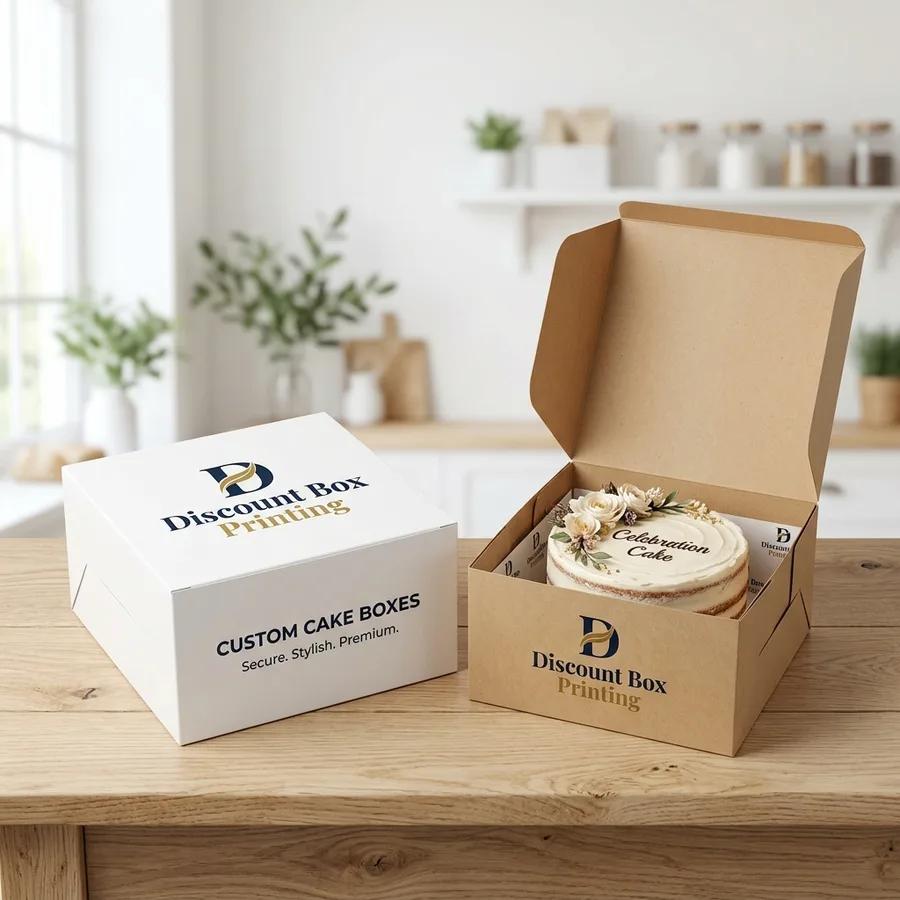
Custom Bakery Boxes
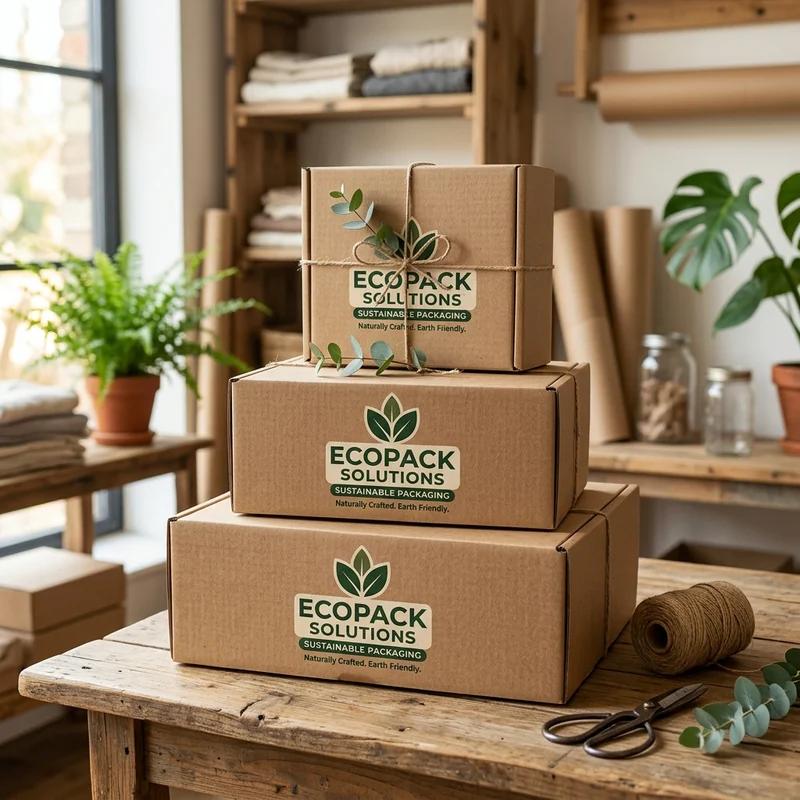
Eco-Friendly Boxes
Related Posts
Child-Resistant CBD Packaging Explained for Brands
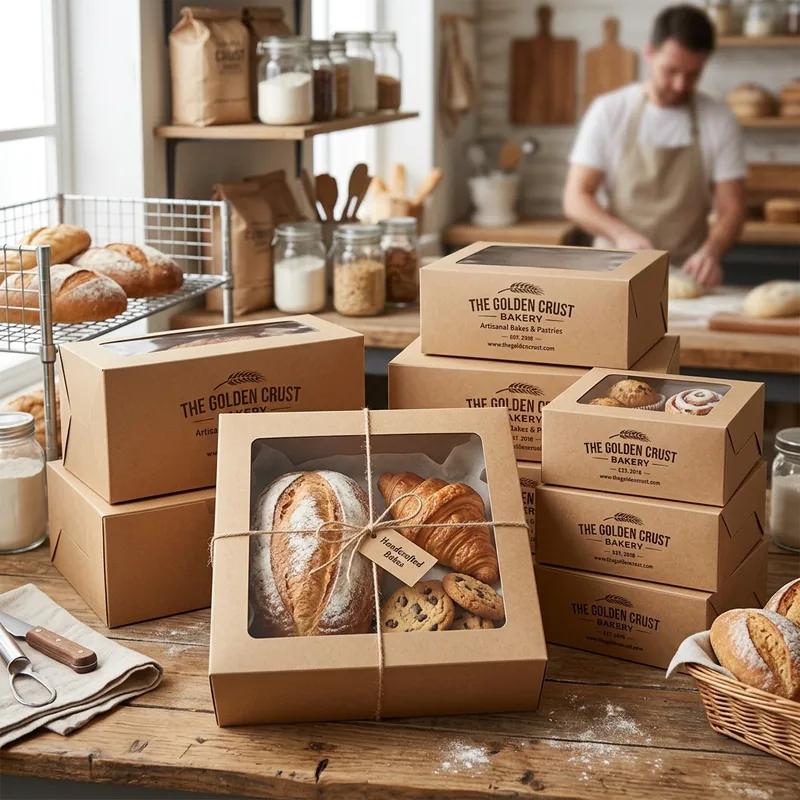
Best Materials for Custom Bakery Boxes: A Brand Guide