888-450-3725
In this article
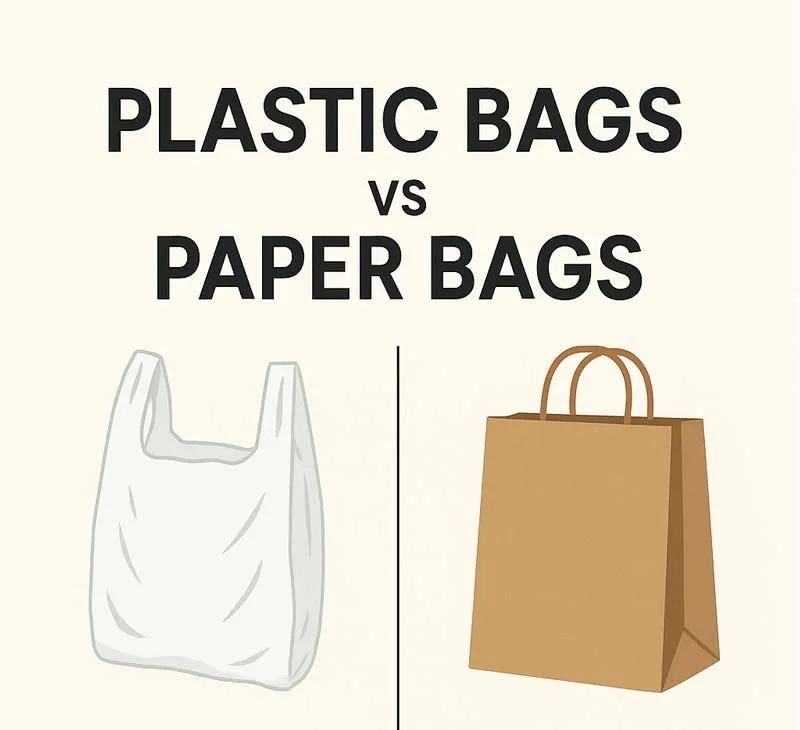
Picture the checkout line. You are done shopping. The cashier asks, "Paper or plastic?" If you care about the planet, the choice feels hard. For years we heard that plastic is bad and paper is good. But is it that simple?
Not really. Both bags harm the environment in their own way. Each one has a cost when it is made, used, and thrown away. There is no perfect choice. To be fair, you have to look at the full life of each bag.
The Case Against Plastic Bags
Most plastic bags are made from a plastic called HDPE. They are seen as the big villain. Here is why:
- They last too long — a plastic bag can take 500 to 1,000 years to break down. It never fully goes away. It just splits into tiny bits called microplastics. These bits pollute soil and water.
- They harm wildlife — light bags blow out of the trash and become litter. Many sea animals and birds eat them or get stuck in them. This is often deadly.
- They use fossil fuels — plastic bags are made from oil and natural gas.
But plastic is not all bad. It is cheap and quick to make. It uses less energy and water than paper. It also makes fewer emissions. And it is light, so it costs less to ship.
The Case For and Against Paper Bags
Paper comes from trees, a renewable resource. So it feels like the green choice. Paper bags break down fast. You can recycle or compost them. But making paper has a downside.
- It uses a lot of energy and water — making paper takes far more of both. The pulping step often uses bleach and chemicals that can pollute water.
- It creates more emissions — making paper bags gives off more greenhouse gas than making plastic ones.
- It is heavy — paper is bulkier than plastic. So it burns more fuel to ship.
Paper recycles well. But that only helps if it reaches the right facility. A paper bag stuck in a landfill still gives off methane. Methane is a strong greenhouse gas.
Paper vs Plastic: Side by Side
This table sums up the main trade-offs:
| Factor | Plastic (HDPE) | Paper |
|---|---|---|
| Production energy and water | Lower | Higher |
| Manufacturing emissions | Lower | Higher |
| Decomposition | 500–1,000 years; microplastics | Biodegradable, much faster |
| Recyclability | Limited (store drop-off) | High, if clean and dry |
| Transport weight | Light | Heavy and bulky |
| Litter and wildlife harm | High | Low |
The Verdict: It Is a Draw
Look at both lists and the score is even. Paper costs more to make. But it recycles and breaks down with ease. Plastic costs less to make. But its waste lasts far longer and pollutes more. There is no clear winner. It comes down to what matters most to you. Is it the carbon from making the bag? Or the waste at the end?
The Real Winner: The Reusable Bag
If paper and plastic tie, the best move is to skip single-use bags. The greenest bag is the one you already own. Reusable bags are made from cotton, canvas, or recycled plastic. You use them hundreds of times. That spreads out their impact.
- They last — one strong reusable bag can replace hundreds of single-use bags.
- They cut waste — using them keeps paper and plastic out of the landfill.
- They pay off — their higher upfront impact is offset after just 10 to 20 trips.
How to Make the Sustainable Choice
- Say no to single-use — skip the bag for small items you can carry.
- Reuse what you have — use paper for compost and plastic for pet waste or bin liners.
- Bring your reusables — keep them in your car, by the door, or in your bag.
- Recycle the right way — clean, dry paper goes in recycling. Check local rules for plastic, which often needs a store drop-off.
Sustainable Packaging for Your Brand
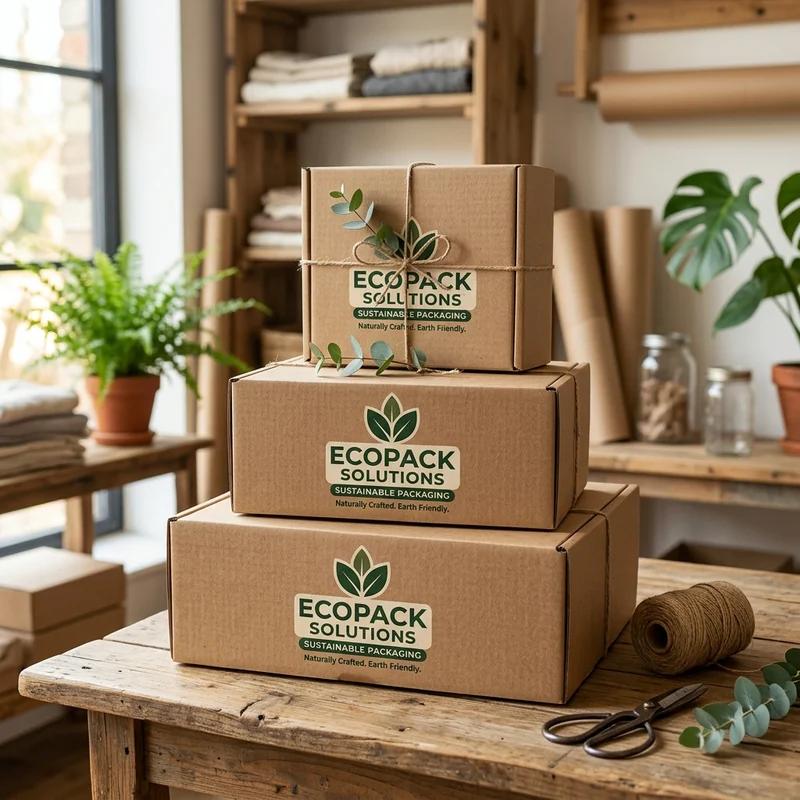
The same thinking applies to product packaging. For a business, recyclable paper-based packaging is an easy way to cut your footprint. Our eco-friendly boxes and kraft paper use recyclable, responsibly sourced materials. Want greener packaging for your products? Request a free quote, or read our guide to affordable eco-friendly packaging.
Explore More
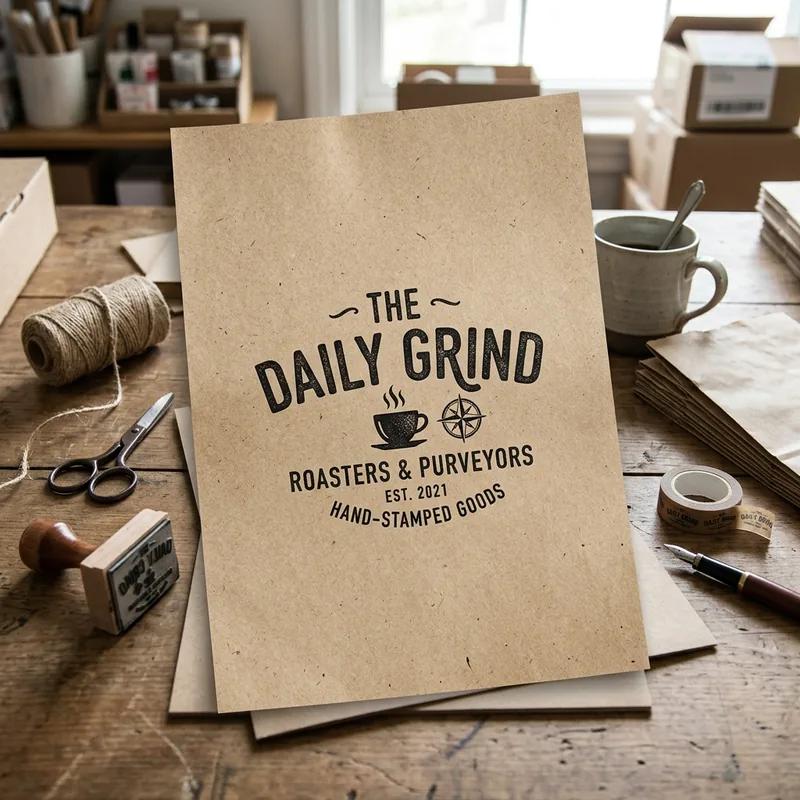
Explore our eco-friendly boxes and custom kraft paper — recyclable packaging printed factory-direct with free design and fast turnaround. For more, read our guide to affordable eco-friendly packaging.
Frequently Asked Questions
How much do custom printed paper cost?
Pricing for custom printed paper depends on size, material, quantity, and finishes. Because we make factory-direct with no setup fees, our wholesale prices are typically lower than buying through a reseller. Request a free quote for exact pricing.
What is the minimum order for custom printed paper?
We offer low minimum orders on custom printed paper, so you can start with a small batch to test the market and reorder as your brand grows.
How long does it take to get custom printed paper?
Standard production and delivery is about 10–12 business days after proof approval, with rush turnaround of 6–8 business days available on most orders, plus free shipping across the USA.
Can I print my logo and brand colors on custom printed paper?
Yes. Every order is fully customizable with your logo, brand colors, and artwork using high-quality printing, plus finishes like foil stamping, embossing, and spot UV. Free design support is included.
What price can I expect for custom plastic bags vs paper bags in bulk?
Wholesale custom plastic bags vs paper bags start from about $0.10 per unit at Discount Box Printing, with the final price set by size, board thickness, print color count, and run size. Larger orders cut the per-unit cost by a wide margin, and you can send a competing quote to our <a href="/beat-my-quote">Beat My Quote</a> page to lock in a better rate.
What is the minimum order quantity for custom plastic bags vs paper bags?
We print custom plastic bags vs paper bags with a low minimum order so small brands and new product lines can start without a big spend. Low MOQs let you test art and sizes on the shelf before you scale up, and when you reorder in bulk the per-unit price drops. Reach out for the exact MOQ on your spec.
How long does it take to print and deliver custom plastic bags vs paper bags?
Standard turnaround on custom plastic bags vs paper bags is about 10 to 12 business days after proof approval, with a 6 to 8 day rush option on most jobs. Timing starts once art and dieline are signed off, so a fast proof reply keeps the clock short. Free US ground shipping is included on every order.
Do you offer free design, a dieline, and a 3D mockup for custom plastic bags vs paper bags?
Yes. Every custom plastic bags vs paper bags order at Discount Box Printing includes free design help, a print-ready dieline, and a 3D mockup before we go to press. Our team cleans up logos, sets bleeds, and checks food-safe inks when needed, so the box you approve on screen is the box you receive at your door.
Do you ship custom plastic bags vs paper bags across the United States?
Yes. We make custom plastic bags vs paper bags factory-direct and ship to every state in the US with free ground freight on wholesale orders. Our team at Discount Box Printing coordinates print, cut, and dispatch under one roof, so your boxes land on time whether you order from New York, Texas, California, or anywhere between.
Ready to order your custom boxes?
Free design, low minimums, fast turnaround — at wholesale prices.
Get a Free QuoteRelated Packaging
Products and categories mentioned in this article.
Eco-Friendly Boxes
Custom Kraft Paper
Related Posts
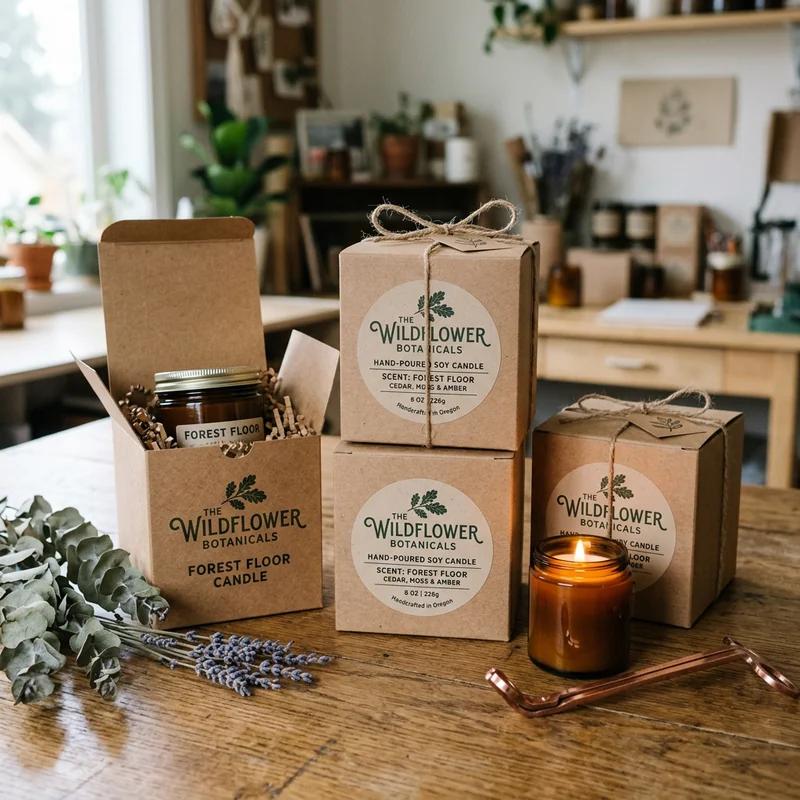
Kraft and Eco-Friendly Candle Boxes: A Sustainable Guide
Custom Bagel Paper: The Complete Packaging Guide