888-450-3725
In this article
Jewelry is small, precious, and bought on feeling. The box has to protect the piece and make it feel worth the price. The material is where that starts. At Discount Box Printing, we make custom jewelry boxes factory-direct across the United States. This guide walks through the main materials and how to choose. For the full picture, start with our custom jewelry boxes guide.
What is the best material for custom jewelry boxes?
The best material for custom jewelry boxes is 2mm–3mm rigid greyboard wrapped in printed art paper or leatherette, with a foam or velvet insert to cradle the piece and add perceived value. At Discount Box Printing we make rigid jewelry boxes factory-direct from $0.10 per unit — free design, low MOQs, and free US shipping. Beat any jewelry-box quote.
- Best for: rings, necklaces, earrings, bracelets, watches
- Material: rigid greyboard (2–3mm), SBS folding cartons, kraft eco
- Wrap: printed art paper, leatherette, linen texture, soft-touch
- Insert: velvet, foam, EVA, molded paper pulp
- Finish: foil stamp, emboss, spot UV, matte or gloss lamination
- Turnaround: 10–14 business days for rigid boxes
- Price from: $0.10 per unit wholesale · free US shipping
- Made in: USA, factory-direct — ships nationwide
Why Material Matters for Jewelry
A jewelry box is judged by touch. A heavy, solid box says the piece inside is valuable. A flimsy one says the opposite. The material also protects a delicate item from knocks and scratches. So the stock is the first and most important choice.
Rigid Board
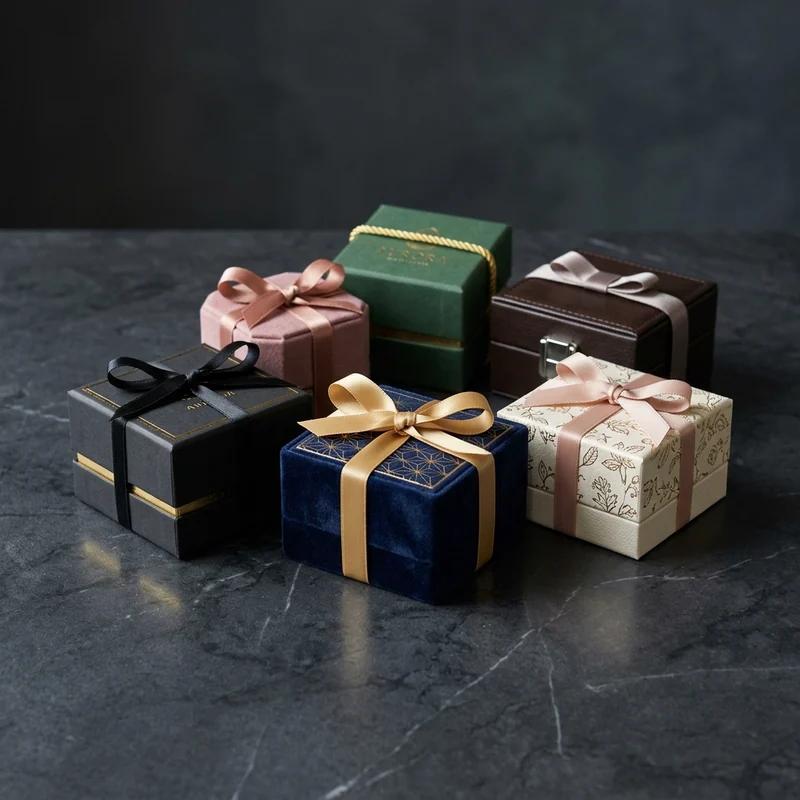
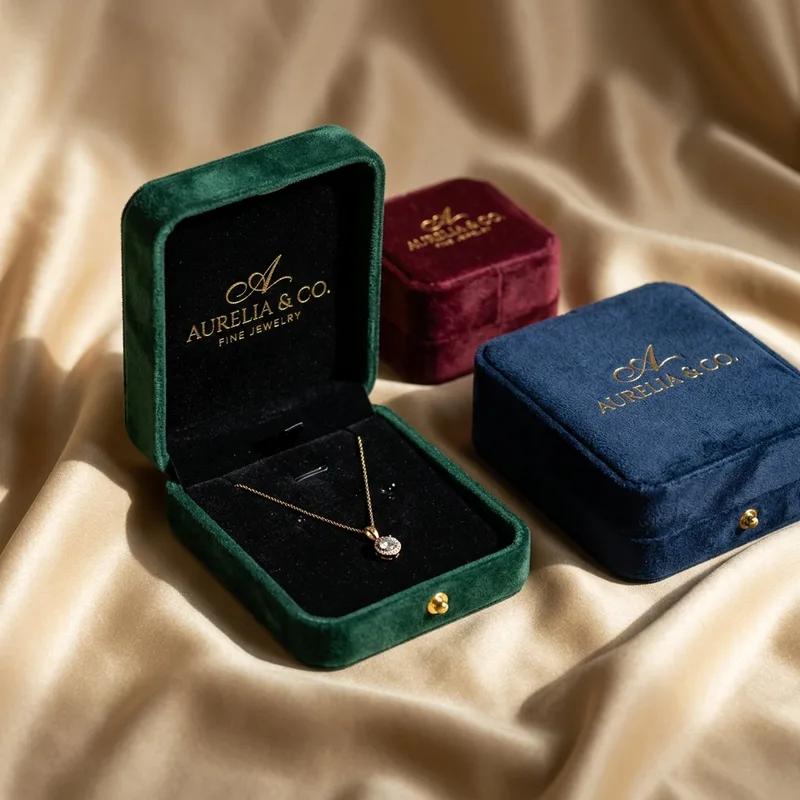
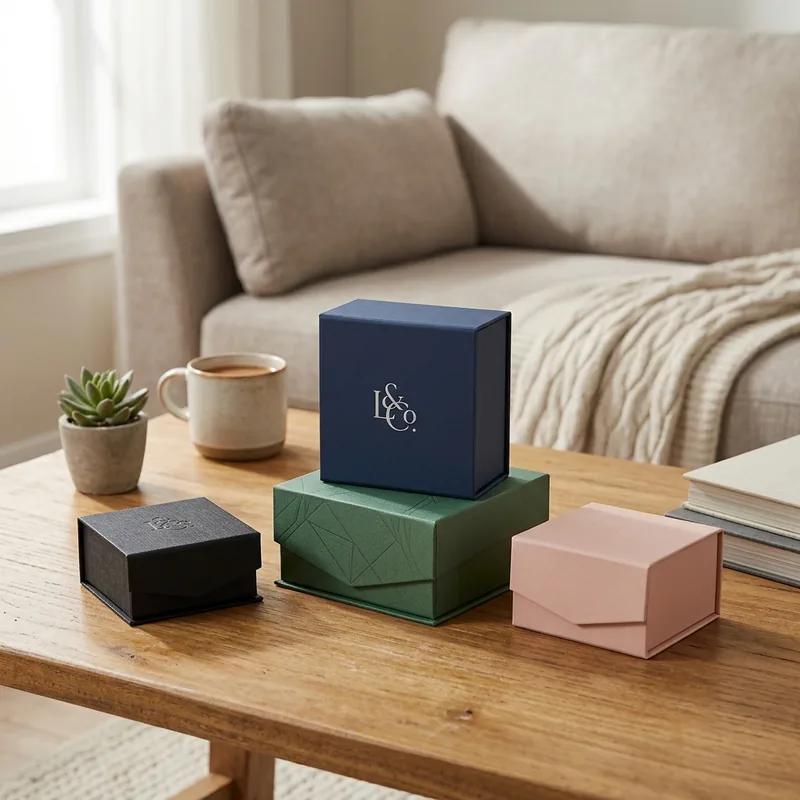
Rigid board is the standard for jewelry boxes. It is thick and stiff, so it gives weight and a luxury feel. It holds a clean shape and protects the piece well. It also takes a lid, a hinge, or a magnetic closure. See our custom rigid boxes for premium builds.
The Wrap and Finish
The wrap is the skin of the box. Soft-touch paper, leatherette, or textured stock all feel premium in the hand. This is where foil and embossing live. A quality wrap on a heavy board is what makes a jewelry box feel like fine jewelry.
Inserts That Protect
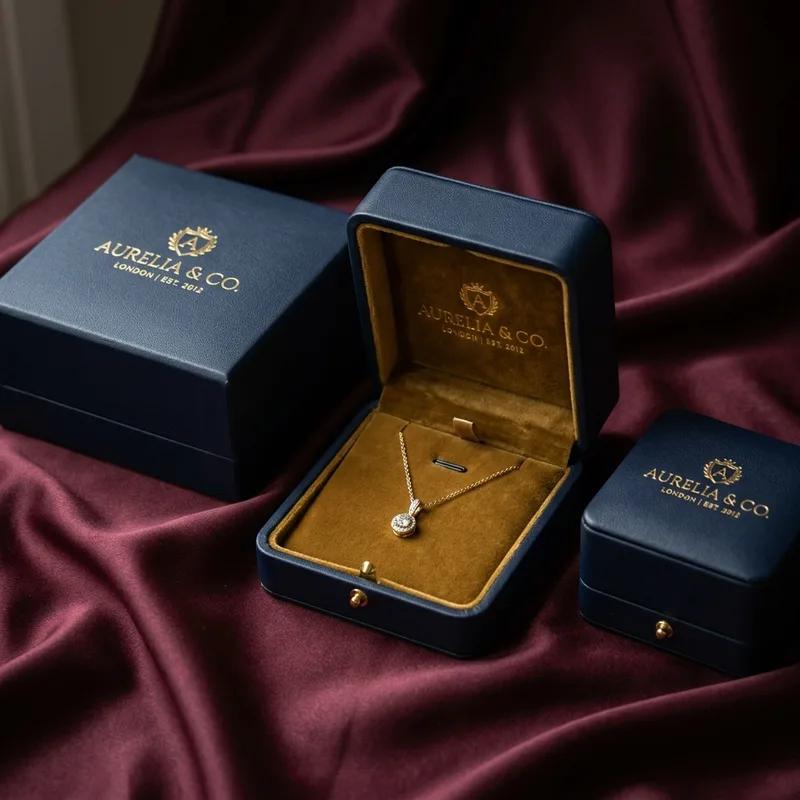
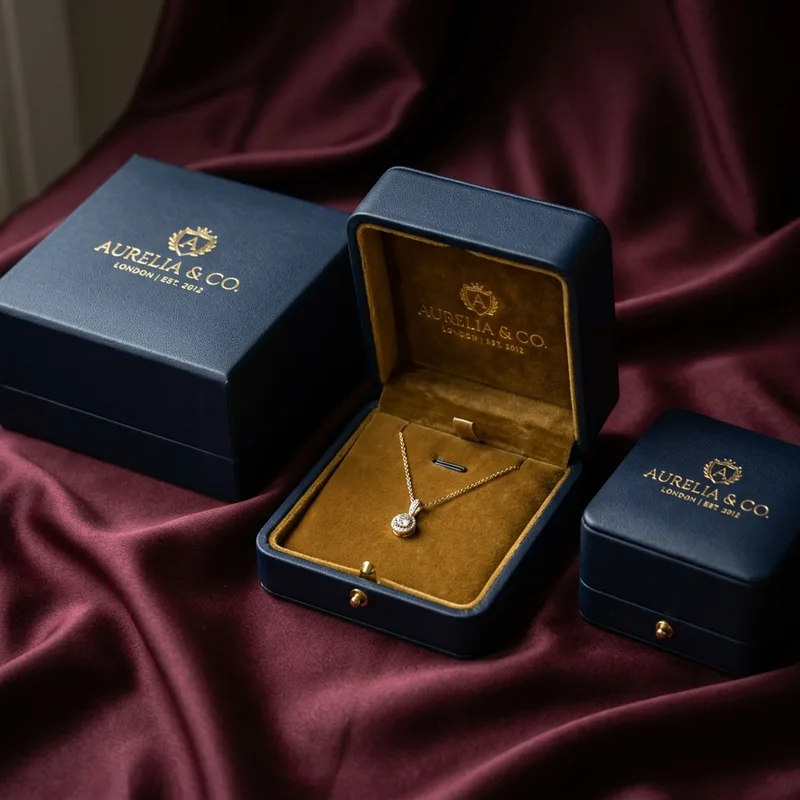
The insert is part of the material story. Foam, velvet-feel flock, or molded paperboard cradles the piece so it does not move. A ring needs a slot; a necklace needs a pad. The insert protects the piece and presents it, so plan it from the start.
Eco and Recycled Stock
Greener jewelry brands can use recycled board and FSC-certified wrap. They keep the premium weight and look while backing a green claim. Paper-based inserts replace foam. A recyclable jewelry box fits a modern, conscious brand without losing its luxury feel.
Match Material to the Piece
Start with the piece and the price. A fine ring or a luxury watch earns a heavy rigid box with a soft insert. A fashion piece can use a lighter box. Then match the wrap to the brand. The right stock makes a small piece feel like a real treasure.
Add a Pouch or Sleeve
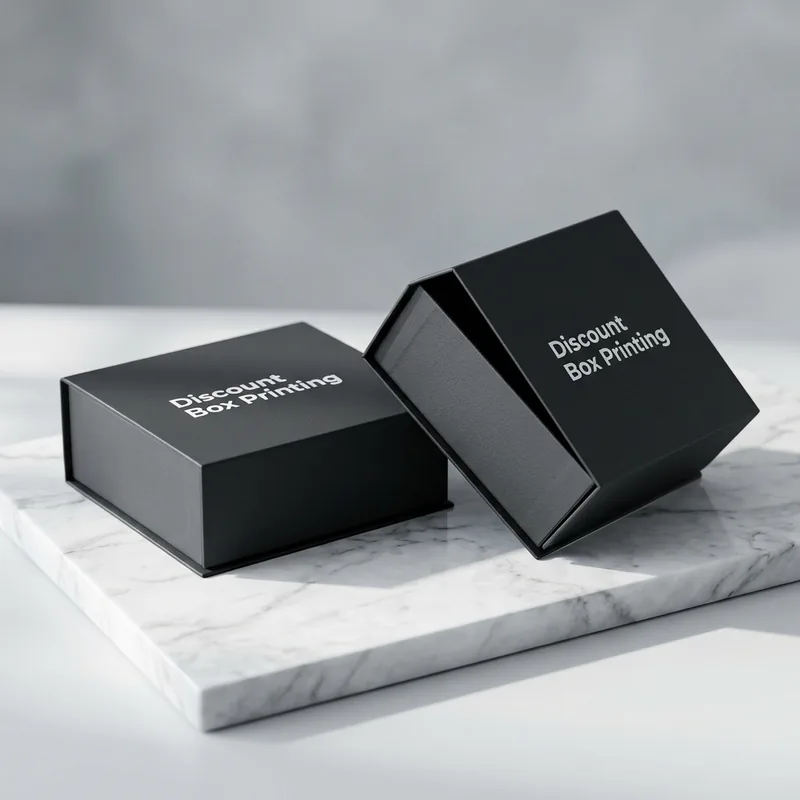
Many jewelry brands pair the box with a soft pouch or an outer sleeve. A drawstring pouch protects the piece once the box is opened and gives a second branded touch the customer keeps. An outer sleeve adds a printed layer and guards the box from scuffs before it reaches the buyer. Both are low-cost ways to make the packaging feel complete and considered. They also help a piece that gets carried or gifted stay safe outside the box. Ask us about matching pouches and sleeves so the whole set reads as one fine brand.
Frequently Asked Questions
What is the best material for a jewelry box?
Rigid board is the standard. It is thick and stiff, so it gives weight and a luxury feel, holds a clean shape, and protects the piece well. Paired with a quality wrap and a fitted insert, it makes a small piece feel valuable and well cared for.
What makes a jewelry box feel premium?
Weight and touch. A heavy rigid box says the piece inside is valuable, and a soft-touch, leatherette, or textured wrap feels premium in the hand. A fitted insert that cradles the piece and a finish like foil complete the luxury feel.
Why do jewelry boxes need inserts?
The insert protects and presents the piece. Foam, a velvet-feel flock, or molded paperboard cradles the item so it does not move, slide, or scratch. A ring needs a slot and a necklace needs a pad, so plan the insert to the piece from the start.
Can jewelry boxes be eco-friendly?
Yes. Recycled board and FSC-certified wraps keep the premium weight and look while backing a green claim, and paper-based inserts can replace foam. A recyclable jewelry box suits a modern, conscious brand without giving up its luxury feel.
What material suits a luxury or fine jewelry piece?
A heavy rigid box with a quality wrap and a soft, fitted insert. The weight and the soft interior signal value and protect a delicate item from knocks and scratches. Fashion pieces can use a lighter box, but fine jewelry earns the premium build.
What price can I expect for custom jewelry boxes in bulk?
Wholesale custom jewelry boxes start from about $0.10 per unit at Discount Box Printing, with the final price set by size, board thickness, print color count, and run size. Larger orders cut the per-unit cost by a wide margin, and you can send a competing quote to our <a href="/beat-my-quote">Beat My Quote</a> page to lock in a better rate.
What is the minimum order quantity for custom jewelry boxes?
We print custom jewelry boxes with a low minimum order so small brands and new product lines can start without a big spend. Low MOQs let you test art and sizes on the shelf before you scale up, and when you reorder in bulk the per-unit price drops. Reach out for the exact MOQ on your spec.
How long does it take to print and deliver custom jewelry boxes?
Standard turnaround on custom jewelry boxes is about 10 to 12 business days after proof approval, with a 6 to 8 day rush option on most jobs. Timing starts once art and dieline are signed off, so a fast proof reply keeps the clock short. Free US ground shipping is included on every order.
Do you offer free design, a dieline, and a 3D mockup for custom jewelry boxes?
Yes. Every custom jewelry boxes order at Discount Box Printing includes free design help, a print-ready dieline, and a 3D mockup before we go to press. Our team cleans up logos, sets bleeds, and checks food-safe inks when needed, so the box you approve on screen is the box you receive at your door.
Do you ship custom jewelry boxes across the United States?
Yes. We make custom jewelry boxes factory-direct and ship to every state in the US with free ground freight on wholesale orders. Our team at Discount Box Printing coordinates print, cut, and dispatch under one roof, so your boxes land on time whether you order from New York, Texas, California, or anywhere between.
Ready to order your custom boxes?
Free design, low minimums, fast turnaround — at wholesale prices.
Get a Free QuoteRelated Packaging
Products and categories mentioned in this article.
Custom Jewelry Boxes
Custom Rigid Boxes
Related Posts
Best Materials for Custom Bakery Boxes: A Brand Guide
Best Materials for Custom CBD Boxes: A Brand Guide