888-450-3725
In this article
The prettiest candle box is worthless if the jar arrives cracked, and the part that decides that is the insert. An insert is the shaped piece inside the box that cradles the candle so it cannot move. At Discount Box Printing, we build custom candle packaging boxes with fitted inserts factory-direct for makers across the United States. This article explains the insert types, how to match one to your vessel, and how to balance protection with cost and sustainability. For the wider picture, see our complete candle boxes guide and the custom candle boxes range.
What are candle box inserts for glass protection?
Candle box inserts are die-cut EVA foam, molded paper pulp, or corrugated cradles that hold each jar centered inside the outer box so glass never touches board or another jar — the single biggest fix for shipping breakage. At Discount Box Printing we make candle inserts factory-direct from $0.10 per unit — free design, low MOQs, and free US shipping. Beat any candle-insert quote.
- Best for: glass candle jars, tumbler candles, multi-candle sets
- Insert types: die-cut EVA foam, molded pulp, corrugated cradle
- Fit: die-cut to jar diameter with 1/8” hug clearance
- Multi-pack: divider walls prevent jar-to-jar impact
- Eco option: molded paper pulp, plastic-free, curbside recyclable
- Turnaround: 10–12 business days (rush 6–8 available)
- Price from: $0.10 per unit wholesale · free US shipping
- Made in: USA, factory-direct — ships nationwide
Why the Insert Matters Most
Most candles are glass, and glass breaks when it moves. The insert stops that movement. It holds the jar centered and still, away from the box walls and away from any other candle, so the only thing touching the glass is a cushion shaped to fit it. A great box with no insert is just a jar rattling in a carton. A snug insert is what turns a nice box into safe, premium packaging.
The Three Common Insert Types
Almost every candle insert is one of three materials. Each is cut to the exact vessel:
| Insert Type | Best For | Notes |
|---|---|---|
| Die-cut cardboard | Retail and light shipping | Recyclable, low cost, holds the base firmly |
| Molded paper pulp | Eco lines and curved jars | Plastic-free, cradles round vessels well |
| Foam | Heavy jars and rough transit | Maximum cushioning, less eco-friendly |
Cardboard and paper pulp are the eco-friendly favorites and protect well for most needs. Foam is the choice when a heavy three-wick jar has to survive a long, rough journey.
Match the Insert to the Vessel
An insert only works if it fits. A votive, a travel tin, a 8oz jar, and a three-wick all need different cavities. Send us the exact vessel, or its diameter and height, and we cut the insert to grip it. A good fit holds the candle with light pressure — snug enough that it does not shift, loose enough that the customer can lift it out cleanly.
Protection Versus Eco and Cost
There is a simple trade-off. Foam protects the most but recycles the least; paper pulp and cardboard protect well and recycle easily. For most candle brands, a die-cut cardboard or pulp insert is the right balance, and it keeps the whole box plastic-free. Step up to foam only for the heaviest jars or the toughest shipping. Inserts also add a little cost, but far less than the refunds a broken jar creates.
Design Tips for a Snug Fit
When you design artwork, leave the insert decision until the vessel is final, because a few millimeters change the cavity. If you sell several jar sizes, a stepped or universal insert can cover a range. And if the candle ships as well as sits on a shelf, choose the insert for the harder job — transit.
Explore More
- Custom Candle Boxes Guide — the complete candle packaging pillar.
- Custom Candle Packaging Boxes — boxes built with fitted inserts.
- How to Ship Candles Without Breakage — the two-box shipping method.
- Custom Candle Boxes — the full candle range.
Frequently Asked Questions
Why is the insert the most important part of a candle box?
Most candles are glass, and glass breaks when it moves. The insert holds the jar centered and still, away from the box walls and any other candle, so the only thing touching the glass is a cushion shaped to fit it. A great box with no insert is just a jar rattling in a carton.
What types of candle inserts are there?
The three common types are die-cut cardboard (recyclable, low cost, great for retail and light shipping), molded paper pulp (plastic-free and good for curved jars and eco lines), and foam (maximum cushioning for heavy jars and rough transit, but less eco-friendly). Each is cut to the exact vessel.
Which insert is best for the environment?
Die-cut cardboard and molded paper pulp are the eco-friendly favorites. They protect well for most candles and keep the whole box plastic-free and recyclable. Reserve foam for the heaviest jars or the toughest shipping where extra cushioning is genuinely needed.
How do I get the right insert size?
Send us the exact vessel, or its diameter and height, and we cut the insert to grip it. A good fit holds the candle with light pressure — snug enough that it does not shift, loose enough that the customer can lift it out cleanly. Finalize the insert once the vessel is final, since a few millimeters change the cavity.
What price can I expect for custom candle box inserts in bulk?
Wholesale custom candle box inserts start from about $0.10 per unit at Discount Box Printing, with the final price set by size, board thickness, print color count, and run size. Larger orders cut the per-unit cost by a wide margin, and you can send a competing quote to our <a href="/beat-my-quote">Beat My Quote</a> page to lock in a better rate.
What is the minimum order quantity for custom candle box inserts?
We print custom candle box inserts with a low minimum order so small brands and new product lines can start without a big spend. Low MOQs let you test art and sizes on the shelf before you scale up, and when you reorder in bulk the per-unit price drops. Reach out for the exact MOQ on your spec.
How long does it take to print and deliver custom candle box inserts?
Standard turnaround on custom candle box inserts is about 10 to 12 business days after proof approval, with a 6 to 8 day rush option on most jobs. Timing starts once art and dieline are signed off, so a fast proof reply keeps the clock short. Free US ground shipping is included on every order.
Do you offer free design, a dieline, and a 3D mockup for custom candle box inserts?
Yes. Every custom candle box inserts order at Discount Box Printing includes free design help, a print-ready dieline, and a 3D mockup before we go to press. Our team cleans up logos, sets bleeds, and checks food-safe inks when needed, so the box you approve on screen is the box you receive at your door.
Do you ship custom candle box inserts across the United States?
Yes. We make custom candle box inserts factory-direct and ship to every state in the US with free ground freight on wholesale orders. Our team at Discount Box Printing coordinates print, cut, and dispatch under one roof, so your boxes land on time whether you order from New York, Texas, California, or anywhere between.
Ready to order your custom boxes?
Free design, low minimums, fast turnaround — at wholesale prices.
Get a Free QuoteRelated Packaging
Products and categories mentioned in this article.
Custom Candle Packaging Boxes
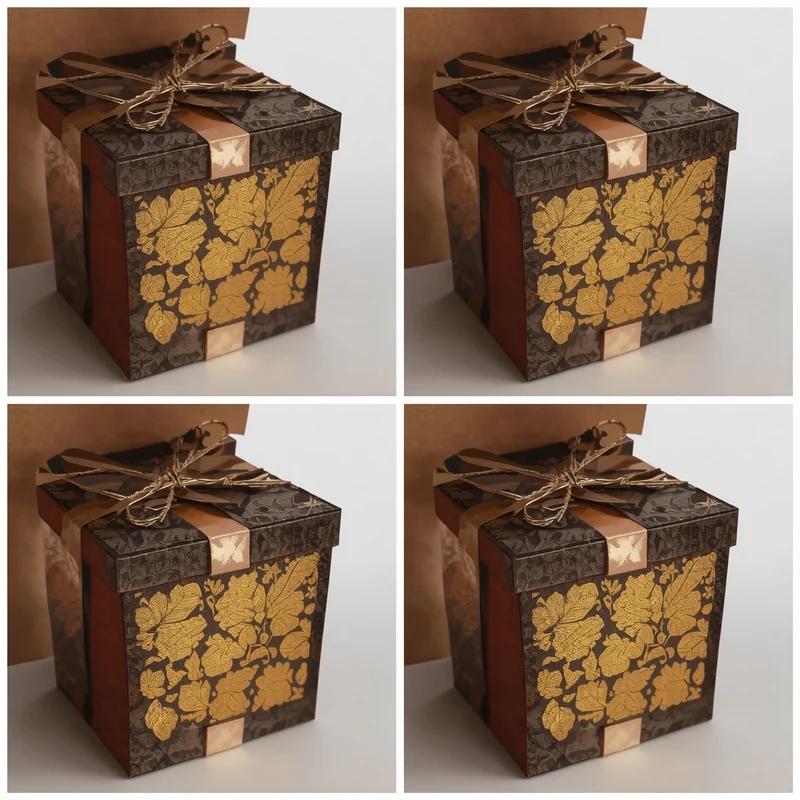
Custom Candle Boxes
Related Posts
Why Inserts Matter for Premium Custom Jewelry Boxes
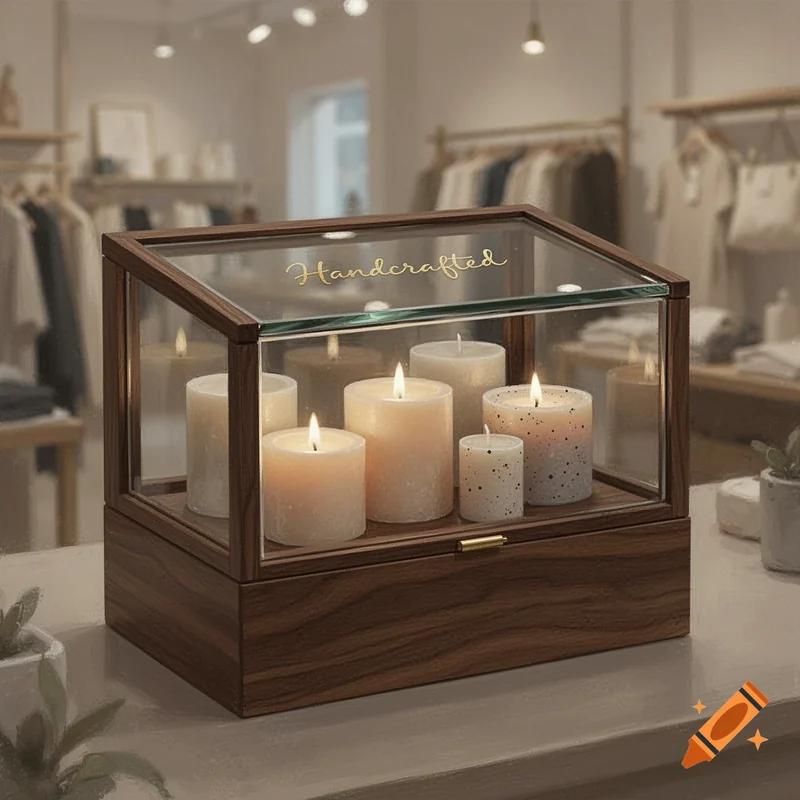
Candle Display Boxes for Retail Shelves