888-450-3725
In this article
Soap buyers care about the planet, and they expect the box to match. Eco packaging is not just good for the earth; it sells. The trick is to keep it simple and recyclable. At Discount Box Printing, we make custom soap boxes factory-direct across the United States. This guide walks through the main eco options and how to use them well. For the full picture, see our custom soap boxes guide.
What are the best eco-friendly soap packaging options?
The best eco-friendly soap packaging uses uncoated recycled kraft or FSC-certified board, soy inks, and plastic-free finishes — sleeves, tuck-end boxes, and wraparound bands that read green and recycle curbside. At Discount Box Printing we make eco soap boxes factory-direct from $0.10 per unit. Beat any eco soap-box quote.
- Best for: handmade & organic soap brands, refill programs, spa retail
- Material: recycled kraft or FSC-certified SBS (12pt–18pt)
- Inks: soy-based, water-based coatings, PMS or CMYK
- Finish: uncoated for breathability, plastic-free
- End of life: curbside recyclable; compostable options available
- Turnaround: 10–12 business days (rush 6–8 available)
- Price from: $0.10 per unit wholesale · free US shipping
- Made in: USA, factory-direct — ships nationwide
Choose Kraft or Recycled Board
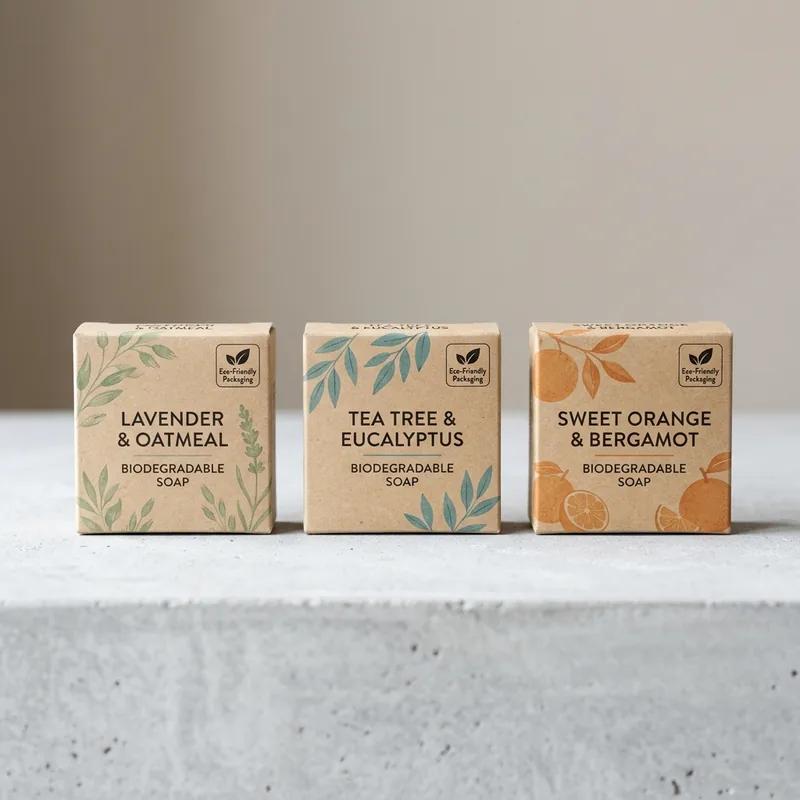
Kraft board skips bleaching and reads natural at a glance. Recycled paperboard reuses fiber and recycles again after use. Both suit soap and back a green claim. They are the easiest first step to eco packaging. See our eco-friendly soap boxes. Buyers connect these natural stocks with a clean, honest product.
Use a Sleeve to Cut Material
A sleeve uses far less board than a full box. Less material means less waste and a lower footprint. For a natural bar, a simple kraft sleeve is both green and good-looking. It is a smart eco choice for handmade lines, and it costs less too, so the planet and the budget both win.
Print With Soy Inks
Inks count too. Soy and water-based inks are kinder to the planet and keep the box easy to recycle. They still print clean, clear color. Ask for them when you want a fully recyclable soap box. Old solvent inks can leave a box harder to recycle, so the ink is worth a second thought.
Go Plastic-Free
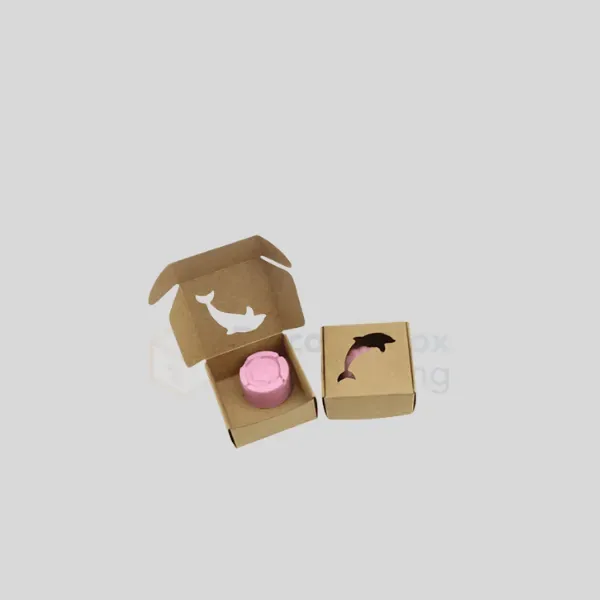
Skip plastic windows, laminates, and tape. A bare or lightly coated board recycles in one bin. If you want to show the bar, use an open sleeve or a die-cut window with no film. Plastic-free is what truly green buyers look for, and it is often the detail that decides a sale for them.
Keep It Simple
The greenest box is a simple one. One material, light coating, and a snug fit cut waste and cost. A clean kraft box or sleeve with soy ink ticks every eco box. Simple design and green values go hand in hand, and a clear, uncluttered box looks modern as well as responsible.
Back Up Your Green Claims
Eco buyers are smart and they check. So make claims you can stand behind. If the box is recyclable, say so plainly and keep the build simple enough that it really is. FSC-certified stock backs a sourcing claim. Soy inks support a clean-recycling claim. Vague words like green or natural mean little on their own. Honest, specific claims build trust, while claims that do not hold up can quickly cost you the very buyers you want.
Frequently Asked Questions
What are the most eco-friendly soap packaging options?
Kraft or recycled paperboard, a sleeve that uses less material, soy or water-based inks, and a plastic-free design are the main options. Keeping the box to a single material with a light coating makes it recycle cleanly and reads green to buyers.
Is a soap sleeve more eco-friendly than a box?
Usually, yes. A sleeve uses far less board than a full box, so it creates less waste and has a lower footprint. For a natural bar sold locally, a simple kraft sleeve is both green and attractive, which is why many handmade brands use them.
How do I make soap packaging plastic-free?
Skip plastic windows, laminates, and tape. Use a bare or lightly coated board that recycles in one bin. To show the bar, use an open sleeve or a die-cut window with no film. Soy inks and a paper closure keep the whole box plastic-free.
Do eco soap boxes still look good?
Yes. Kraft and recycled board have a natural look that buyers associate with quality, handmade soap. A single spot color, a clean font, and a simple finish make eco packaging look intentional and premium, not cheap. Green and good-looking go together.
Does eco soap packaging cost more?
Not necessarily. Recycled board and kraft are competitively priced, and a sleeve uses less material, which can cost less than a full box. Soy inks add little. Keeping the design simple and the box snug cuts material and waste, which often lowers the cost.
What price can I expect for custom eco-friendly soap packaging options that sell well in bulk?
Wholesale custom eco-friendly soap packaging options that sell well start from about $0.10 per unit at Discount Box Printing, with the final price set by size, board thickness, print color count, and run size. Larger orders cut the per-unit cost by a wide margin, and you can send a competing quote to our <a href="/beat-my-quote">Beat My Quote</a> page to lock in a better rate.
What is the minimum order quantity for custom eco-friendly soap packaging options that sell well?
We print custom eco-friendly soap packaging options that sell well with a low minimum order so small brands and new product lines can start without a big spend. Low MOQs let you test art and sizes on the shelf before you scale up, and when you reorder in bulk the per-unit price drops. Reach out for the exact MOQ on your spec.
How long does it take to print and deliver custom eco-friendly soap packaging options that sell well?
Standard turnaround on custom eco-friendly soap packaging options that sell well is about 10 to 12 business days after proof approval, with a 6 to 8 day rush option on most jobs. Timing starts once art and dieline are signed off, so a fast proof reply keeps the clock short. Free US ground shipping is included on every order.
Do you offer free design, a dieline, and a 3D mockup for custom eco-friendly soap packaging options that sell well?
Yes. Every custom eco-friendly soap packaging options that sell well order at Discount Box Printing includes free design help, a print-ready dieline, and a 3D mockup before we go to press. Our team cleans up logos, sets bleeds, and checks food-safe inks when needed, so the box you approve on screen is the box you receive at your door.
Do you ship custom eco-friendly soap packaging options that sell well across the United States?
Yes. We make custom eco-friendly soap packaging options that sell well factory-direct and ship to every state in the US with free ground freight on wholesale orders. Our team at Discount Box Printing coordinates print, cut, and dispatch under one roof, so your boxes land on time whether you order from New York, Texas, California, or anywhere between.
Ready to order your custom boxes?
Free design, low minimums, fast turnaround — at wholesale prices.
Get a Free QuoteRelated Packaging
Products and categories mentioned in this article.
Custom Soap Boxes
Eco-Friendly Soap Boxes
Related Posts
Eco-Friendly Gift Box Packaging Options for Brands
Eco-Friendly Mailer Box Options for Online Sellers