888-450-3725
In this article
- What are standard folding carton dimensions?
- What Are Folding Carton Dimensions?
- How Folding Carton Size Is Measured
- Why Folding Carton Size Matters
- Quick Answer: What Is a Standard Folding Carton Size?
- Folding Carton Dimensions Chart
- Common Folding Carton Styles
- Paperboard Caliper
- Print & Dieline Guidelines
- How to Choose the Right Folding Carton Size
- Folding Carton Sizing Tips
- Common Folding Carton Sizing Mistakes
- Need a Custom Folding Carton Supplier?
- Final Thoughts
A folding carton is the printed paperboard box you see around cosmetics, food, and retail goods. It ships flat and folds up at packing, which makes it light and cost-effective. Folding carton dimensions are the length, width, and height of the carton, sized to fit your product with a clean closing style. At Discount Box Printing, we make custom folding cartons to any size on retail paperboard, factory-direct across the United States. This guide walks through how carton sizes are measured, the standard sizes, a full size chart, common styles, board caliper, and the print specs you need. For the wider view, see our complete custom box dimensions guide.
What are standard folding carton dimensions?
Folding carton dimensions are read as inside L×W×H on 12pt–24pt SBS or kraft board, sized to the primary container plus a 1/16” clearance and a properly set glue flap on the dieline. Common sizes run 2×2×3 in (single serum) to 8×4×10 in (retail carton). At Discount Box Printing we make folding cartons factory-direct from $0.10 per unit. Beat any folding-carton quote.
- Best for: cosmetics, food, CBD, pharma, retail SKUs
- Material: 12pt–24pt SBS or kraft paperboard
- Popular sizes: 2×2×3 to 8×4×10 in (fully custom)
- Styles: straight tuck, reverse tuck, auto-lock, seal-end
- Print: full-color CMYK + PMS spot, matte or gloss
- Turnaround: 10–12 business days (rush 6–8 available)
- Price from: $0.10 per unit wholesale · free US shipping
- Made in: USA, factory-direct — ships nationwide
What Are Folding Carton Dimensions?
Folding carton dimensions are the three measurements that define the carton: length, width, and height. They are always written in that order — L × W × H. Length is the longest side of the opening. Width is the shorter side. Height is the depth from the base to the top. A carton listed as 4 × 2 × 6 inches is 4 inches long, 2 inches wide, and 6 inches tall.
Always size a folding carton by its internal dimensions — the usable space your product sits in. The board is thin, so the inside and outside sizes are close, but the fit still needs to be exact. A snug carton holds the product still and looks crisp on the shelf.
How Folding Carton Size Is Measured
To measure a folding carton, read the opening first. The longer edge of the opening is the length. The shorter edge is the width. The distance from base to top is the height. For your product, measure the item at its widest points and add a small clearance — about 1/16 to 1/8 inch — so it slides in and out cleanly without slack. Send us the product measurements and we build the dieline around them.
Why Folding Carton Size Matters
Size affects three things at once. First, fit: a carton that is too tight tears at the flaps, while one that is too loose lets the product rattle. Second, shelf look: a carton sized to the product stands straight and faces forward, which sells. Third, cost: paperboard is priced by area, so every spare millimeter adds up across a big run. The goal is a snug, square carton that fits the product and the shelf.
Quick Answer: What Is a Standard Folding Carton Size?
There is no single standard, because folding cartons are made to fit products. That said, common sizes cluster around small retail items — think 3 × 2 × 5 inches for cosmetics, 4 × 4 × 4 inches for food, or 2 × 1 × 4 inches for slim products. Most brands order a custom size built to their product.
Folding Carton Dimensions Chart
These are popular folding carton sizes by use case. Every size below is fully customizable — treat them as starting points, not limits.
| Use Case | Inches (L × W × H) | Centimeters | Millimeters |
|---|---|---|---|
| Slim product (mascara, pen) | 2 × 1 × 4 | 5.1 × 2.5 × 10.2 | 51 × 25 × 102 |
| Cosmetics (cream, serum) | 3 × 2 × 5 | 7.6 × 5.1 × 12.7 | 76 × 51 × 127 |
| Food (single retail) | 4 × 4 × 4 | 10.2 × 10.2 × 10.2 | 102 × 102 × 102 |
| Supplement bottle | 2.5 × 2.5 × 5 | 6.4 × 6.4 × 12.7 | 64 × 64 × 127 |
| Electronics / small kit | 6 × 4 × 2 | 15.2 × 10.2 × 5.1 | 152 × 102 × 51 |
| Wide retail carton | 8 × 6 × 2 | 20.3 × 15.2 × 5.1 | 203 × 152 × 51 |
Common Folding Carton Styles
The style sets how the carton closes, and that shapes the dieline. These are the ones we make most:
| Style | How It Closes | Best For |
|---|---|---|
| Straight tuck end | Both flaps tuck from the same side | Light retail products |
| Reverse tuck end | Flaps tuck from opposite sides | Everyday retail, low cost |
| Seal end | Glued top and bottom flaps | Food and heavier goods |
| Auto-bottom (crash-lock) | Base snaps flat-to-set-up | Heavier products, fast packing |
| Tuck-top auto-bottom | Locking base, tuck lid | E-commerce and gifting |
For tuck-closing cartons, see our tuck boxes and the tuck box dimensions guide. For a slide-sleeve look, see sleeve boxes.
Paperboard Caliper
Folding cartons are made from paperboard, and the caliper is its thickness, measured in points (pt), where 1 pt is one-thousandth of an inch. Thicker board feels sturdier but costs more. Here is a simple guide:
| Caliper | Feel | Best For |
|---|---|---|
| 14 pt | Light | Small, light retail items |
| 18 pt | Standard | Most folding cartons |
| 24 pt | Sturdy | Heavier products and a rich feel |
Choose bleached SBS board for bright color or kraft for a natural look. Not sure which caliper fits? Tell us the product weight and we will recommend the board.
Print & Dieline Guidelines
Once your size and style are set, your artwork needs the right setup so nothing important gets trimmed off. These are the print specs we recommend:
| Specification | Recommended |
|---|---|
| Bleed | 1/8 in (3 mm) past every edge |
| Safe zone | Keep text 1/8 in inside folds and edges |
| Resolution | 300 DPI at final size |
| Color mode | CMYK (plus Pantone for brand colors) |
| File format | Print-ready PDF, AI, or EPS |
| Dieline | Vector keyline on its own layer |
Bleed is the extra artwork beyond the cut line, so no white edges show after trimming. The safe zone keeps your logo and text away from folds and tuck flaps. A dieline is the flat template that shows where the carton is cut, scored, and glued. Our team prepares a free dieline and proof for your exact size, so you never build one from scratch.
How to Choose the Right Folding Carton Size
Start with the product, not the carton. Measure your item at its widest, tallest, and deepest points. Add a small clearance so it slides in cleanly. Pick a closing style from the product weight and how it is packed. Choose the board caliper for the feel you want. If you sell a range, shared sizes across products keep tooling and cost down.
Folding Carton Sizing Tips
- Keep it snug. A small clearance stops rattle without tearing the flaps.
- Size to internal dimensions. Your product fits the inside of the carton.
- Match the style to the weight. Use auto-bottom or seal end for heavier goods.
- Mind the shelf. Size the face so the carton stands straight and reads well.
- Order a sample first. A real prototype confirms the fit and the fold.
Common Folding Carton Sizing Mistakes
The most common error is making the carton too tight, so the flaps tear at packing. Next is too much slack, which lets the product rattle and the carton sag. Brands also pick a board caliper that is too thin for the weight, so the carton bows on the shelf. Finally, designing artwork without bleed leaves thin white edges after the cut. Each of these is easy to avoid once you size by the inside, match the board to the weight, and confirm with a sample.
Need a Custom Folding Carton Supplier?
Discount Box Printing makes folding cartons to your exact dimensions in any style and caliper, with no setup fees, low minimums, free design and dielines, and free delivery across the USA. Whether you need one carton or a full retail line, we build the carton around your product. Want greener stock? See our eco-friendly boxes, made from recyclable paperboard.
Final Thoughts
Folding carton dimensions come down to one rule: build the carton around the product by its internal space, with a small clearance and a closing style that suits the weight. Get that right and you get a snug, square carton that protects the product and sells on the shelf. Not sure which size or style fits? Order a free sample kit to compare cartons in hand, or request a free quote and our team will reply within one business day with pricing, a dieline, and a free proof for your custom folding cartons.
Explore More
- Custom Folding Cartons — printed paperboard retail boxes.
- Custom Box Dimensions — the master sizing guide for every box style.
- Tuck Box Dimensions — sizing for tuck-end carton styles.
- Custom Rigid Boxes — and the rigid box dimensions guide for the premium end.
Frequently Asked Questions
How are folding carton dimensions written?
Folding carton dimensions are always written as length × width × height (L × W × H). Length is the longest side of the opening, width is the shorter side, and height is the depth from the base to the top. So a 4 × 2 × 6 inch carton is 4 inches long, 2 inches wide, and 6 inches tall.
How much clearance should a folding carton have?
Add a small clearance of about 1/16 to 1/8 inch around the product so it slides in and out cleanly without slack. Too tight and the flaps tear at packing; too loose and the product rattles and the carton sags. Size by the internal dimensions and confirm the fit with a sample.
What is a standard folding carton size?
There is no single standard, because folding cartons are built to fit products. Common sizes cluster around small retail items, such as 3 × 2 × 5 inches for cosmetics, 4 × 4 × 4 inches for food, or 2 × 1 × 4 inches for slim products. Most brands order a custom size built to their product.
What folding carton styles are there?
Common styles include straight tuck end and reverse tuck end for light retail, seal end for food and heavier goods, and auto-bottom (crash-lock) or tuck-top auto-bottom for heavier products and fast packing. The style sets how the carton closes and shapes the dieline.
What paperboard caliper should a folding carton use?
Caliper is the board thickness in points, where 1 pt is one-thousandth of an inch. Around 18 pt is the standard for most cartons, 14 pt suits small light items, and 24 pt gives a sturdier, rich feel. Choose bleached SBS board for bright color or kraft for a natural look.
Can I order a folding carton in a custom size?
Yes. Every folding carton we make is custom, so you can order any length, width, and height in the style and caliper you need. Send us the product measurements or the dimensions you need, and we build the dieline around them with no setup fees and low minimum orders.
What price can I expect for custom folding carton dimensions in bulk?
Wholesale custom folding carton dimensions start from about $0.10 per unit at Discount Box Printing, with the final price set by size, board thickness, print color count, and run size. Larger orders cut the per-unit cost by a wide margin, and you can send a competing quote to our <a href="/beat-my-quote">Beat My Quote</a> page to lock in a better rate.
What is the minimum order quantity for custom folding carton dimensions?
We print custom folding carton dimensions with a low minimum order so small brands and new product lines can start without a big spend. Low MOQs let you test art and sizes on the shelf before you scale up, and when you reorder in bulk the per-unit price drops. Reach out for the exact MOQ on your spec.
How long does it take to print and deliver custom folding carton dimensions?
Standard turnaround on custom folding carton dimensions is about 10 to 12 business days after proof approval, with a 6 to 8 day rush option on most jobs. Timing starts once art and dieline are signed off, so a fast proof reply keeps the clock short. Free US ground shipping is included on every order.
Do you offer free design, a dieline, and a 3D mockup for custom folding carton dimensions?
Yes. Every custom folding carton dimensions order at Discount Box Printing includes free design help, a print-ready dieline, and a 3D mockup before we go to press. Our team cleans up logos, sets bleeds, and checks food-safe inks when needed, so the box you approve on screen is the box you receive at your door.
Do you ship custom folding carton dimensions across the United States?
Yes. We make custom folding carton dimensions factory-direct and ship to every state in the US with free ground freight on wholesale orders. Our team at Discount Box Printing coordinates print, cut, and dispatch under one roof, so your boxes land on time whether you order from New York, Texas, California, or anywhere between.
Ready to order your custom boxes?
Free design, low minimums, fast turnaround — at wholesale prices.
Get a Free QuoteRelated Packaging
Products and categories mentioned in this article.
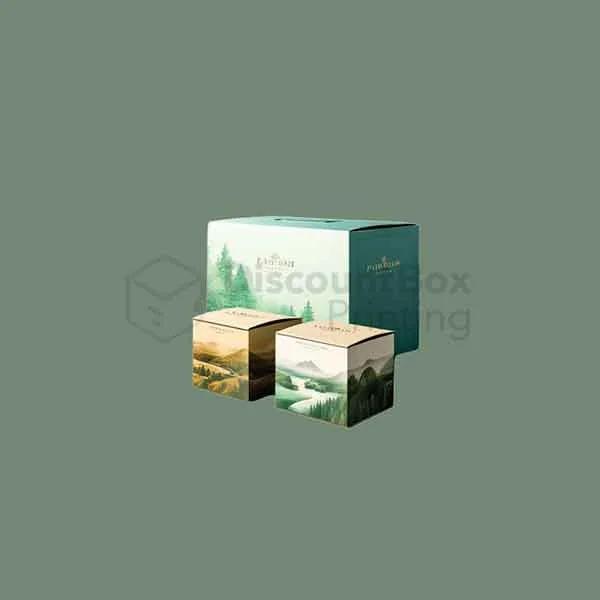
Custom Folding Boxes
Custom Tuck Boxes
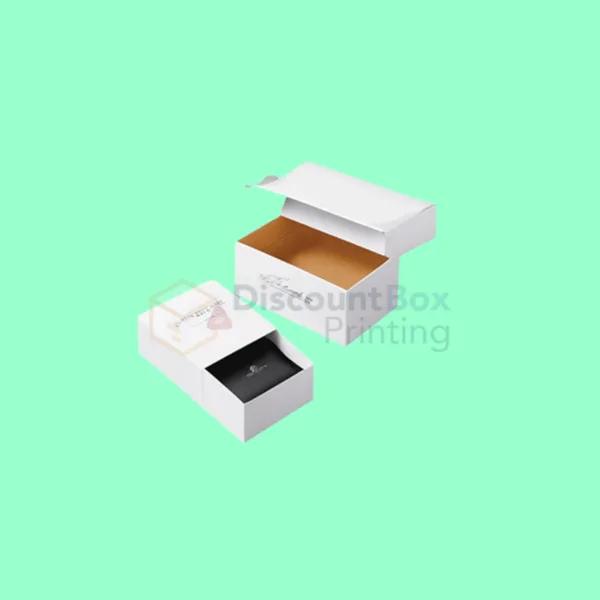
Custom Sleeve Boxes
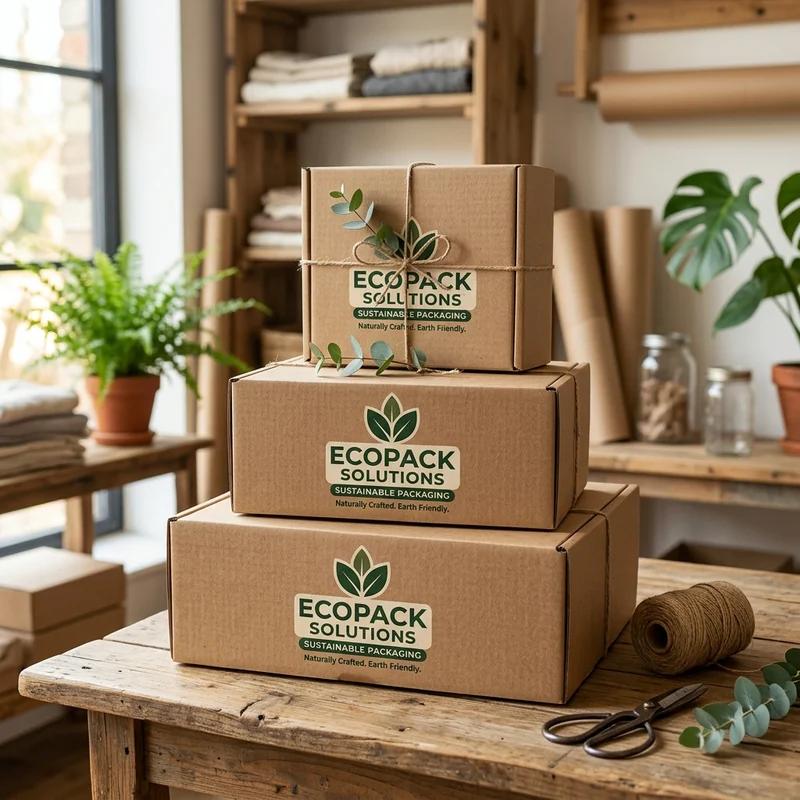
Eco-Friendly Boxes
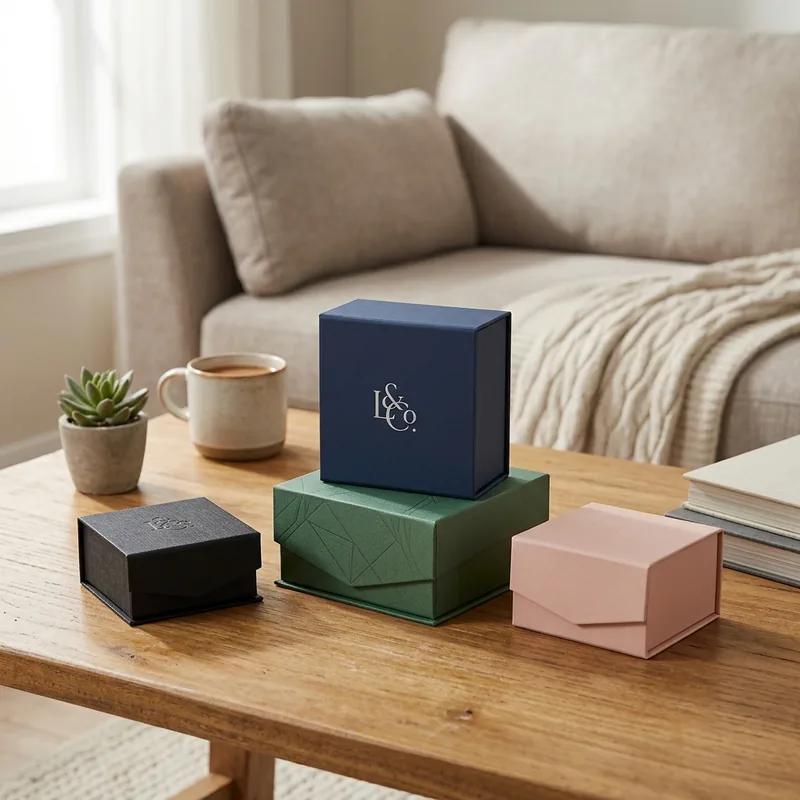
Custom Rigid Boxes
Related Posts
Die-Cut Box Dimensions: Sizes & Custom Shapes Guide