888-450-3725
In this article
- What are custom display boxes (POP)?
- What Are Custom Display Boxes?
- Why Display Boxes Drive Sales
- Types of Display Boxes
- Counter vs Floor Displays
- Shipper Displays and Retail-Ready Packaging
- Display Sizes and Styles
- Designing a Display That Reads From a Distance
- Materials and Durability
- Eco-Friendly Display Boxes
- Wholesale Display Boxes: Cost and Minimums
- How to Order Custom Display Boxes
- Final Thoughts
Most buying decisions are made in the store, in the aisle, in seconds. A display box is how a brand wins that moment — it claims a spot at checkout or on an end cap, calls out from across the aisle, and turns a passing shopper into a buyer. At Discount Box Printing, we make custom display boxes factory-direct for retail and CPG brands across the United States. This guide walks through everything that goes into point-of-purchase displays that sell: display types, materials, shipper displays, sizes, design, eco options, and how to order at true wholesale prices.
What are custom display boxes (POP)?
Custom display boxes are point-of-purchase (POP) retail displays — counter, shelf, or floor formats printed litho-laminated onto E-flute corrugated — that ship pre-loaded with product and turn a checkout counter or endcap into a branded sales stand. At Discount Box Printing we make POP display boxes factory-direct from $0.10 per unit. Beat any display-box quote.
- Best for: retail POP, checkout counters, endcap promotions, product launches
- Formats: counter display, shelf-ready tray, PDQ, floor stand, dump bin
- Material: E-flute or B-flute corrugated + SBS liner (18pt–24pt)
- Print: full-color litho-laminated CMYK, matte or gloss
- Load: ship pre-loaded, ready to place on the floor
- Turnaround: 10–12 business days (rush 6–8 available)
- Price from: $0.10 per unit wholesale · free US shipping
- Made in: USA, factory-direct — ships nationwide
What Are Custom Display Boxes?
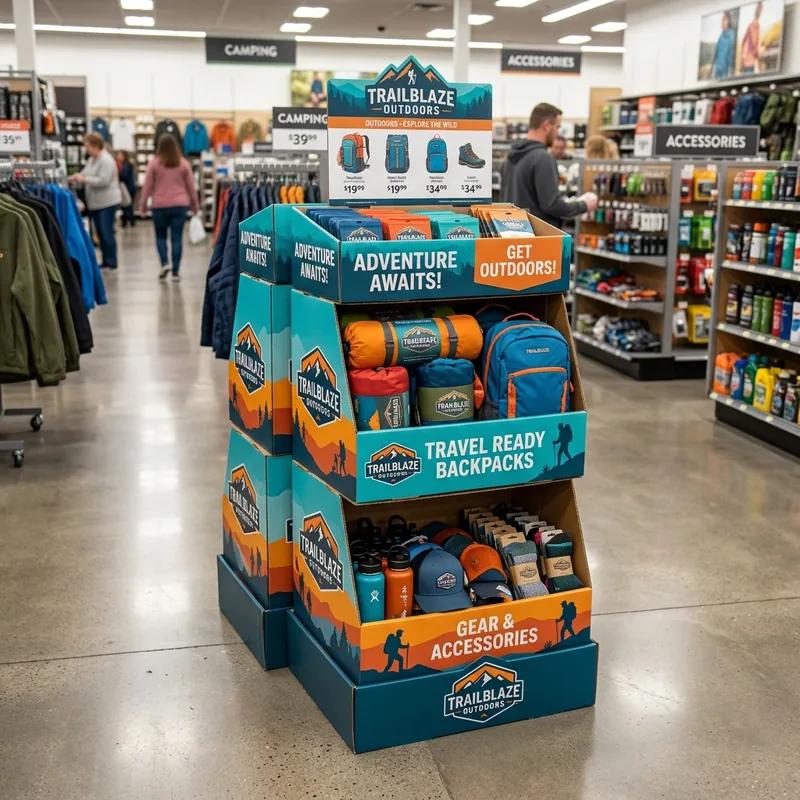
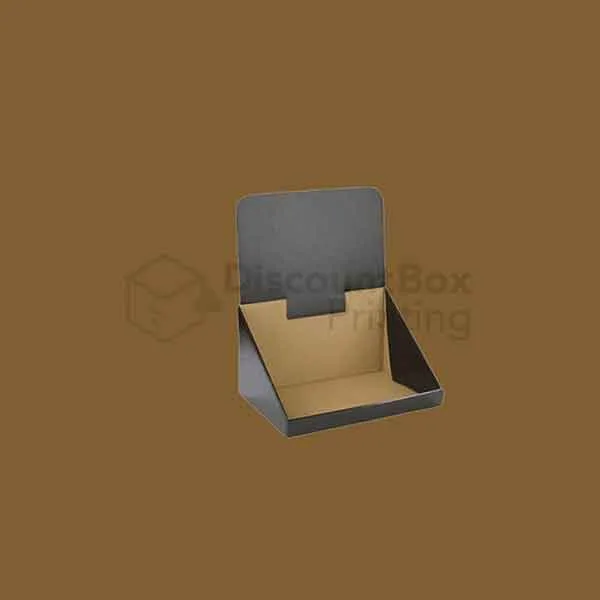
Custom display boxes are point-of-purchase (POP) units printed with your logo, colors, and artwork that hold and present products in a store. They range from small counter trays at checkout to tall floor-standing units on the aisle. Built from corrugated or sturdy board, they are engineered to hold stock, stay square, and read from a distance. They are made to your exact size and style.
Think of a display as two jobs in one. The first job is function: hold the product, stay sturdy, and survive the store. The second job is marketing: claim attention and sell the product without a salesperson. A plain shelf does the first job. A branded display does both.
Why Display Boxes Drive Sales
Displays work because they put your product where decisions happen. A unit at the register catches impulse buys; an end-cap display interrupts a shopper mid-aisle; a branded floor unit makes a product launch feel like an event. Each one earns space that a plain shelf facing cannot.
Displays also win retailer cooperation. A display that ships ready to set up saves store staff time, which makes a buyer more willing to give you the spot. The easier you make it to merchandise your product, the more stores will say yes.
Types of Display Boxes
Displays come in many formats. The right one depends on where it sits in the store. Common types include:
- Counter / PDQ displays — compact trays for checkout and impulse buys.
- Floor-standing displays (FSDU) — tall units for aisles and end caps.
- Shelf trays — shelf-ready trays that drop straight onto the shelf.
- Power wings and side-kicks — narrow displays that clip onto end caps.
- Dump bins — open bins for bulk grab-and-go products.
- Shipper displays — boxes that ship the product and convert into a display.
Counter vs Floor Displays
The biggest split in displays is counter versus floor. Counter (PDQ) displays are small, sit by the register, and drive impulse buys on low-cost items — gum, lip balm, snacks, small beauty. Floor-standing displays are tall, hold more stock, and anchor aisles and end caps for launches and seasonal pushes.
Counter units are cheaper and easier to place in more stores. Floor units cost more and command more space, but they make a bigger statement. Many brands run both: counter units everywhere, floor units for flagship accounts and launches.
Shipper Displays and Retail-Ready Packaging
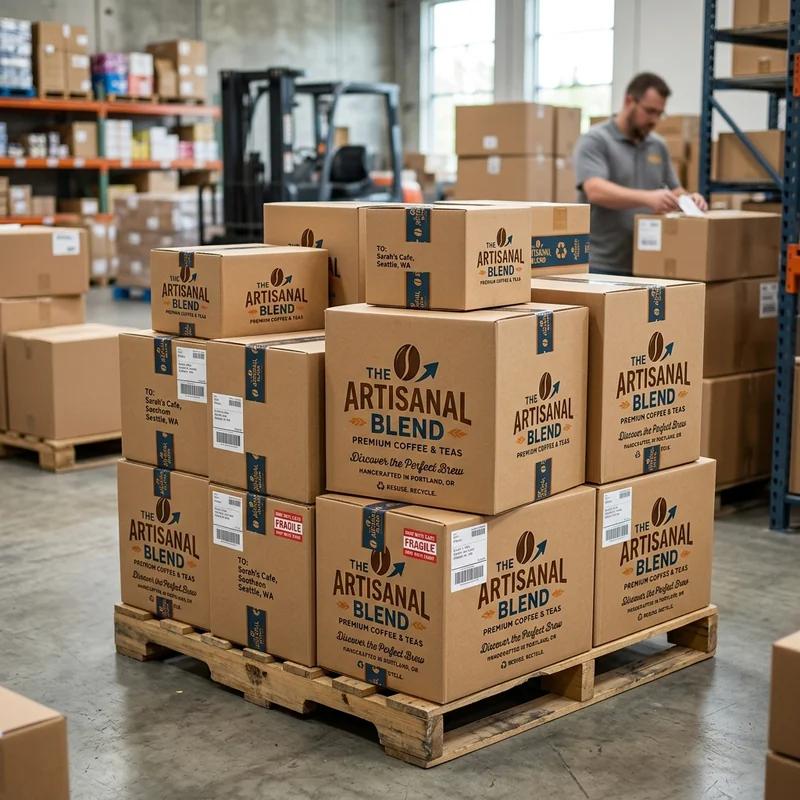
A shipper display is the smartest format for scale. The product ships inside the display box, then store staff simply open it, fold out the header, and set it on the floor or shelf — no assembly, no separate display to store. This is also called retail-ready packaging (SRP).
Shipper displays cut labor for the retailer and protect the product in transit, which is why big-box stores often require them. If you sell into chains, designing your shipping as a display can be the difference between getting the placement and not. Pair the design with our custom corrugated boxes and the corrugated guide for the board strength.
Display Sizes and Styles
There is no single fixed size. Displays are built to fit your product, count, and retail space. These are popular formats, and all are customizable:
| Display Type | Popular Size (L x W x H) | Best Use |
|---|---|---|
| Counter / impulse | 8 × 6 × 4 in | Checkout grab-and-go |
| Cosmetics counter | 9 × 6 × 8 in | Beauty and skincare at the till |
| Shelf tray | 12 × 8 × 3 in | Shelf-ready high-volume stock |
| Dump bin | 10 × 10 × 7 in | Bulk grab-and-go products |
| Floor-standing | 15 × 12 × 54 in | Aisle and end-cap rollouts |
Not sure what fits? Tell us your product and where it will sit. We will recommend the right display type and dimensions so it holds stock and stands up to the store.
Designing a Display That Reads From a Distance
A display is seen from across the aisle, not held in the hand, so design it big. The header is the hook: a short message and your logo, high-contrast, readable from several feet away. Keep the product visible and the messaging to a few words. Crowded, small-type displays get walked past.
Use color to own a category and call out the offer — a price, a promotion, or a new-launch flag — on the header card. Our designers prepare a print-ready dieline so graphics line up across the folded, assembled unit.
Materials and Durability
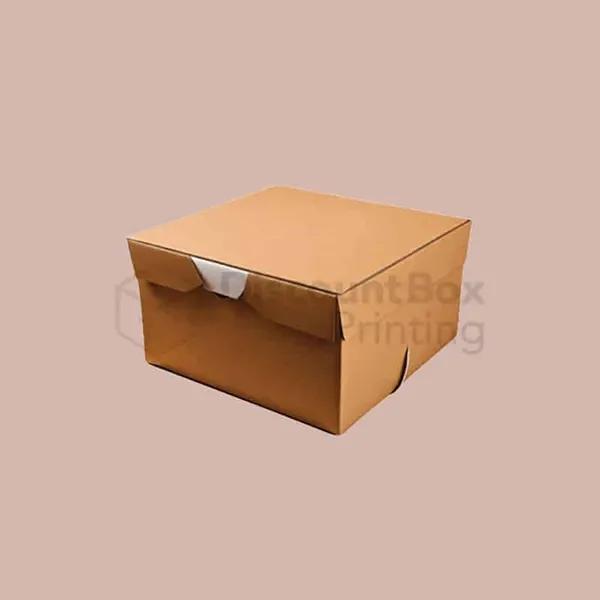
Displays have to survive shipping and a full sales cycle on the floor. Corrugated board gives floor units the strength to hold weight and stay square through restocks, while sturdy folding board suits lighter counter units. Litho-laminate and digital printing put sharp, full-color graphics on that board.
For heavy products or long campaigns, heavier flute and reinforced shelves keep the unit from sagging. We engineer the build to the weight it will carry and the time it will spend on the floor.
Eco-Friendly Display Boxes
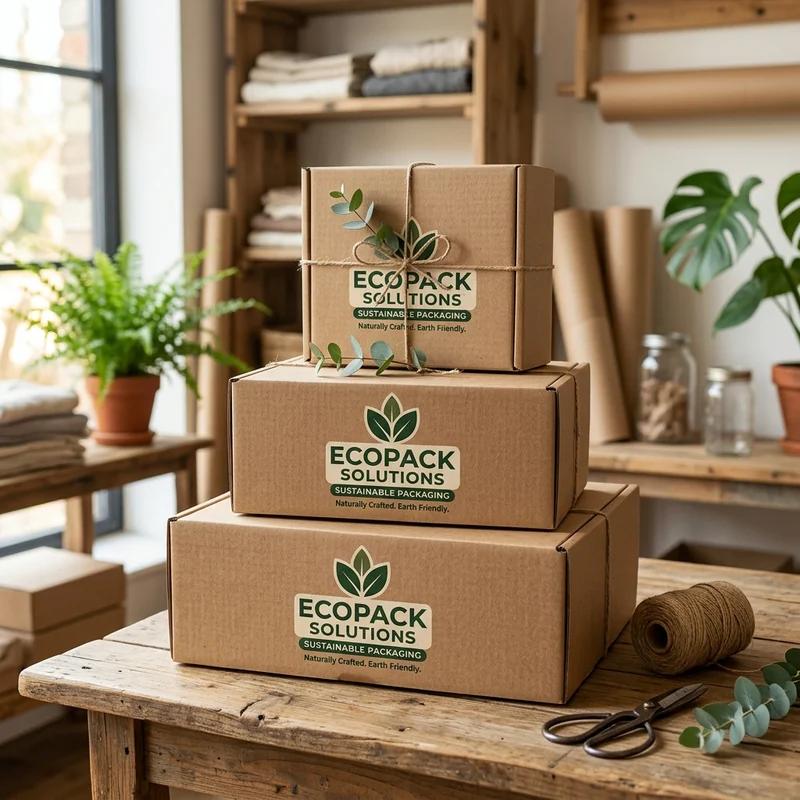
Cardboard displays are already one of the more sustainable merchandising options, since corrugated is widely recycled. Recycled-content board, water-based inks, and plastic-free builds push the footprint lower. Temporary displays that recycle flat at end of campaign beat permanent plastic fixtures on waste. Demand for sustainable retail packaging keeps climbing across the industry, as reports from Packaging World show. For a full sustainable lineup, see our eco-friendly boxes.
Wholesale Display Boxes: Cost and Minimums
Price depends on a few things: the display type and size, the board and flute, the print and finish, and the quantity. Counter units are the most affordable; tall floor displays cost more for the material and engineering. We make the boxes ourselves. So there is no reseller markup and no setup fee.
Low minimum orders let you test a display in a few stores before a national rollout. Prove the lift, then scale the winner. Want a price target beaten? Send a competitor quote through Beat My Quote and we will try to come in lower.
How to Order Custom Display Boxes
- Request a free quote. Share your display type, size, product weight, quantity, and print colors.
- Get a free proof. Our designers prepare a print-ready dieline and a digital proof at no cost.
- Approve and we print. Once you sign off, we make factory-direct.
- Free delivery. Your finished displays ship to your door across the USA.
Want to feel the stock first? Order a free sample kit to compare board and finishes before you commit to a full run.
Final Thoughts
A display box is a salesperson that works the floor around the clock. Match the type to the store position, engineer it to hold up, design it to read from a distance, and ship it ready to set up. Branded, sturdy display packaging is one of the most efficient ways to win shelf space and lift point-of-sale sales.
Explore More
- Custom Display Boxes — shop branded POP displays.
- Custom Retail Boxes — and the retail boxes guide for the product packaging.
- Custom Corrugated Boxes — and the corrugated guide for board strength.
- Custom Cereal Boxes — and the cereal guide for display-ready cartons.
- Eco-Friendly Boxes — a full sustainable packaging lineup.
Frequently Asked Questions
What are custom display boxes?
Custom display boxes are point-of-purchase (POP) units printed with your logo, colors, and artwork that hold and present products in a store. They range from small counter trays at checkout to tall floor-standing units on the aisle, built from corrugated or sturdy board to hold stock and read from a distance.
What is the difference between counter and floor displays?
Counter (PDQ) displays are small, sit by the register, and drive impulse buys on low-cost items. Floor-standing displays are tall, hold more stock, and anchor aisles and end caps for launches and seasonal pushes. Counter units are cheaper and easier to place; floor units make a bigger statement.
What is a shipper display?
A shipper display ships the product inside the display box, then store staff open it, fold out the header, and set it on the floor or shelf with no assembly. Also called retail-ready packaging (SRP), it saves retailer labor and protects the product in transit, which is why many chains require it.
What materials are display boxes made from?
Floor units use corrugated board for the strength to hold weight and stay square through restocks, while lighter counter units can use sturdy folding board. Heavier flute and reinforced shelves suit heavy products or long campaigns. Litho-laminate and digital printing put sharp full-color graphics on the board.
Are display boxes eco-friendly?
Cardboard displays are one of the more sustainable merchandising options since corrugated is widely recycled. Recycled-content board, water-based inks, and plastic-free builds lower the footprint further, and temporary displays that recycle flat beat permanent plastic fixtures on waste.
How do I order custom display boxes?
Request a free quote with your display type, size, product weight, quantity, and artwork. We reply within one business day with pricing, a free dieline, and a proof, and we offer free delivery across the USA plus a sample kit on request.
What price can I expect for custom display boxes in bulk?
Wholesale custom display boxes start from about $0.10 per unit at Discount Box Printing, with the final price set by size, board thickness, print color count, and run size. Larger orders cut the per-unit cost by a wide margin, and you can send a competing quote to our <a href="/beat-my-quote">Beat My Quote</a> page to lock in a better rate.
What is the minimum order quantity for custom display boxes?
We print custom display boxes with a low minimum order so small brands and new product lines can start without a big spend. Low MOQs let you test art and sizes on the shelf before you scale up, and when you reorder in bulk the per-unit price drops. Reach out for the exact MOQ on your spec.
How long does it take to print and deliver custom display boxes?
Standard turnaround on custom display boxes is about 10 to 12 business days after proof approval, with a 6 to 8 day rush option on most jobs. Timing starts once art and dieline are signed off, so a fast proof reply keeps the clock short. Free US ground shipping is included on every order.
Do you offer free design, a dieline, and a 3D mockup for custom display boxes?
Yes. Every custom display boxes order at Discount Box Printing includes free design help, a print-ready dieline, and a 3D mockup before we go to press. Our team cleans up logos, sets bleeds, and checks food-safe inks when needed, so the box you approve on screen is the box you receive at your door.
Do you ship custom display boxes across the United States?
Yes. We make custom display boxes factory-direct and ship to every state in the US with free ground freight on wholesale orders. Our team at Discount Box Printing coordinates print, cut, and dispatch under one roof, so your boxes land on time whether you order from New York, Texas, California, or anywhere between.
Ready to order your custom boxes?
Free design, low minimums, fast turnaround — at wholesale prices.
Get a Free QuoteRelated Packaging
Products and categories mentioned in this article.

Custom Display Box
Custom Corrugated Boxes
Eco-Friendly Boxes
Custom Retail Boxes
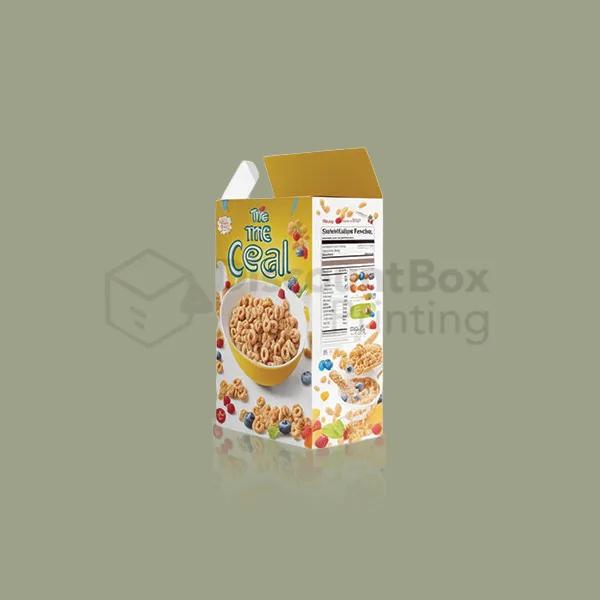
Custom Cereal Boxes
Related Posts
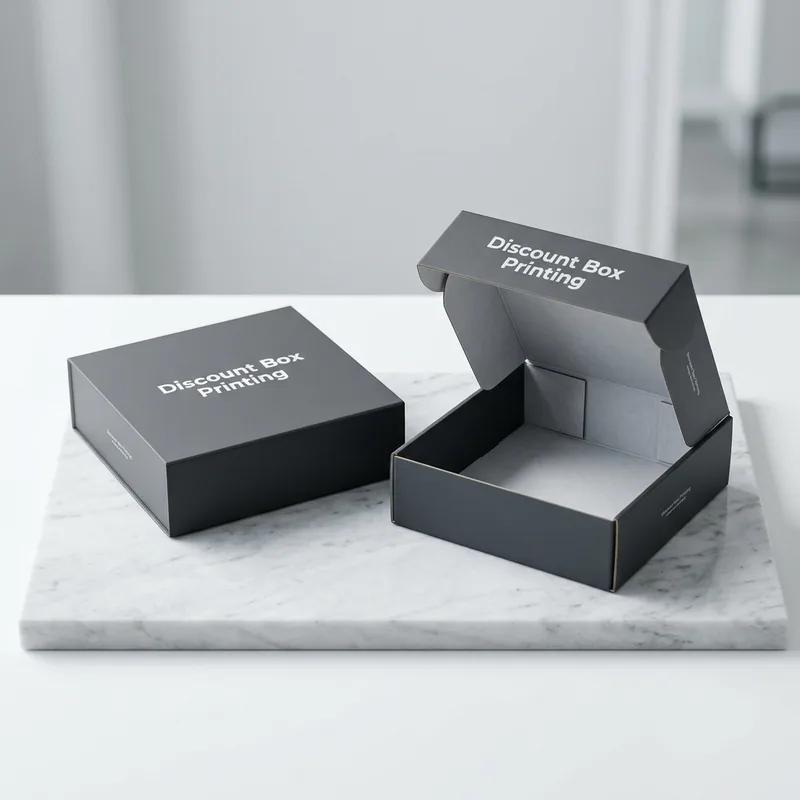
Custom Display Packaging Boxes: A Retail Sales Guide